By Steve Pemberton Realty Group
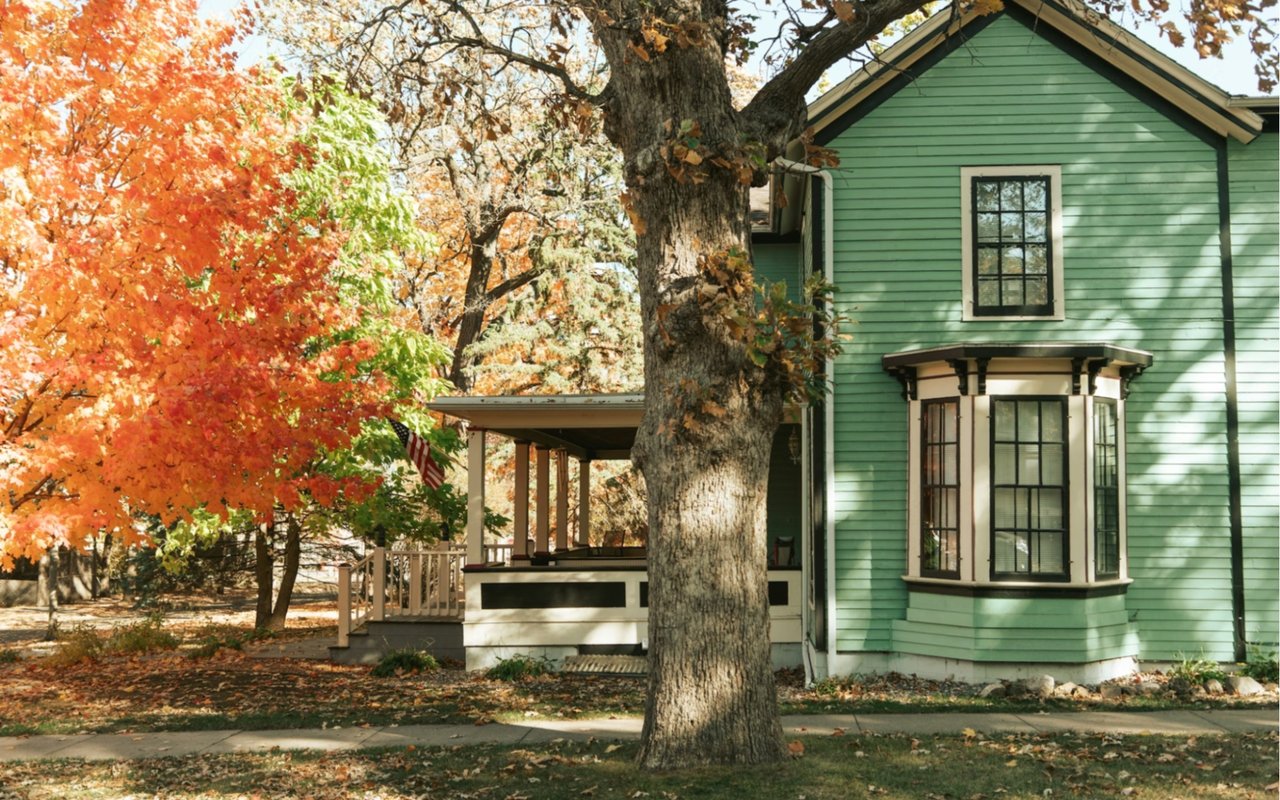
Chanhassen has a richer architectural history than most of its newer residents realize. The community's earliest settlers arrived in the 1850s, and the German Catholic farming families who followed built homes, churches, and farmsteads that still stand today. From 19th-century colonial revival farmsteads to Craftsman-era bungalows and mid-century properties near Old Town, historic homes here carry a character that newer construction cannot replicate. Maintaining that character — while keeping the home functional, comfortable, and market-relevant — requires a different approach than maintaining a modern build.
Key Takeaways
- Historic homes require maintenance strategies tailored to their specific era and original materials — modern solutions aren't always the right ones.
- Minnesota's climate is particularly demanding on older homes, and seasonal preparation is essential to preventing the most common and costly damage.
- Preserving original features like hardwood floors, millwork, and masonry protects both historical integrity and long-term resale value.
- If your home is on or eligible for the National Register of Historic Places, specific guidelines govern what modifications are permissible.
Understand Your Home's Era and Its Specific Vulnerabilities
The maintenance needs of an 1880s German farmstead differ significantly from those of a 1920s Craftsman bungalow or a 1940s colonial revival. Before establishing a maintenance plan, understanding the construction methods and materials specific to your home's era is essential.
Common Characteristics by Era in Chanhassen's Historic Stock
- 19th-century farmsteads often feature original wood-plank flooring, stone foundations, and hand-hewn structural elements that require specialized craftsmanship to maintain or repair correctly
- Early 20th-century Craftsman homes typically include original hardwood floors, built-in cabinetry, and wood-framed windows worth preserving but requiring consistent attention
- Mid-century homes in the Old Town area may still contain original knob-and-tube wiring, cast iron plumbing, or asbestos-containing materials that require professional assessment before any renovation work
- Homes with original masonry require repointing with period-appropriate mortar rather than modern Portland cement, which is harder than original and can cause surrounding masonry to crack
Knowing your home's specific vulnerabilities allows you to prioritize maintenance proactively rather than reactively.
Prepare Aggressively for Minnesota's Climate
Minnesota's freeze-thaw cycles, heavy snowfall, and extreme temperature swings are harder on historic homes than on modern construction. The seasonal preparation that might be optional in a newer home is genuinely essential in an older one.
Seasonal Maintenance Priorities for Historic Chanhassen Homes
- Inspect and repoint masonry foundations, chimneys, and exterior stonework every few years
- Ensure attic ventilation and insulation are balanced — historic homes often have inadequate attic insulation by modern standards, contributing to ice dam formation and significant winter heat loss
- Inspect wood windows annually for failed glazing compound and deteriorating paint — these are the primary points of water intrusion in older homes and are far less expensive to maintain than to replace
- Clear gutters thoroughly before freeze season and ensure drainage directs water well away from the foundation
The homes that survive Minnesota's climate best are those whose owners treat seasonal preparation as a fixed annual obligation.
Preserve Original Materials Wherever Possible
The original materials in a historic home are irreplaceable and genuinely valued by buyers seeking properties with historical character. Restoration is almost always preferable to replacement when the underlying material is sound.
How to Approach Original Material Preservation
- Original hardwood floors can typically be refinished multiple times before replacement becomes necessary — refinishing preserves historical character and value in ways that engineered replacement products cannot
- Period millwork and built-ins should be repaired with matching wood species and profiles rather than replaced with modern equivalents
- Original windows in good structural condition are worth repairing, weatherstripping, and re-glazing rather than replacing
- Original hardware should be cleaned, repaired, and retained wherever possible — period door knobs, hinges, and cabinet pulls are difficult and expensive to replicate authentically
Know Your Obligations If Your Home Is Historically Designated
Some of Chanhassen's oldest properties — including structures near the St. Hubert's Church complex, on the National Register of Historic Places — may carry specific obligations affecting what modifications are permitted.
What Historic Designation Means in Practice
- Properties seeking federal or state historic tax credits must follow the Secretary of the Interior's Standards for Rehabilitation
- Carver County's Heritage Preservation Commission oversees historic resources in the region — contacting them early in any significant renovation project clarifies what is and isn't permissible
- Historic designation can unlock state and federal tax credits that offset qualifying rehabilitation costs meaningfully
- Even without formal designation, maintaining historic integrity pays — buyers seeking character properties consistently pay premiums for homes where original features have been preserved
FAQs: Historic Home Maintenance Tips in Chanhassen
How do I find contractors experienced with historic homes in the Chanhassen area?
The Chanhassen Historical Society and Carver County Historical Society are good starting points for referrals to craftspeople experienced in period-appropriate restoration. The Minnesota State Historic Preservation Office also maintains resources for connecting owners with qualified contractors.
Is it more expensive to maintain a historic home in Minnesota?
Per-project costs can be higher than modern construction because period-appropriate repairs require specialized labor and materials. Proactive maintenance — particularly seasonal preparation — prevents the large-scale failures that generate the highest costs.
Does historic designation affect resale value in Chanhassen?
Generally positively. Buyers specifically seeking historic properties are often motivated and less price-sensitive. Homes with well-preserved original character and documented maintenance histories consistently command premiums over comparably sized modern alternatives.
We Know Chanhassen's Properties From the Ground Up
At Steve Pemberton Realty Group, our knowledge of Chanhassen's real estate market runs deep — including its oldest and most distinctive properties. Steve has closed over 3,000 properties and more than one billion dollars in sales, specializing in upper-bracket residential and investment real estate where historic properties most often reside.
Whether you're maintaining a historic home for the long term or preparing it for a future sale, we bring a comprehensive, personalized approach that ensures every detail of your property's story is understood and communicated to the right buyers.
Connect with Steve Pemberton Realty Group today.
Whether you're maintaining a historic home for the long term or preparing it for a future sale, we bring a comprehensive, personalized approach that ensures every detail of your property's story is understood and communicated to the right buyers.
Connect with Steve Pemberton Realty Group today.