Welcome to Chaska, MN
A riverside gem with historic charm and modern amenities.
Chaska is one of the Twin Cities' most underrated suburbs — a city that manages to feel like a small town without sacrificing the amenities of a major metro. Situated in the Minnesota River Valley about 25 miles southwest of Minneapolis, it blends genuine historical character with the kind of thoughtful urban planning that most suburbs never achieve.
What makes Chaska distinct is its layered identity. You have a brick-built downtown with 19th-century commercial buildings, a federally funded "New Town" experiment that shaped entire neighborhoods around trails and green space, and one of the world's most prestigious golf clubs sitting inside city limits. It's a place where families put down deep roots, where neighbors actually interact, and where the outdoor lifestyle isn't just marketed — it's lived.
The vibe skews toward active, community-minded, and family-forward. Strollers and bikes dominate the Jonathan trail system. Youth hockey is a serious pursuit. River City Days every July genuinely shuts the city down. If you want suburban convenience without losing a sense of place, Chaska delivers that better than most.
How Did Chaska Develop?
Chaska's story begins long before European settlement. The Dakota people inhabited the Minnesota River Valley for centuries — the name "Chaska" itself comes from a Dakota word traditionally given to a first-born son. Preserved burial mounds from the Mid-Woodland period, dating back 1,000 to 1,500 years, still sit in City Square Park downtown.
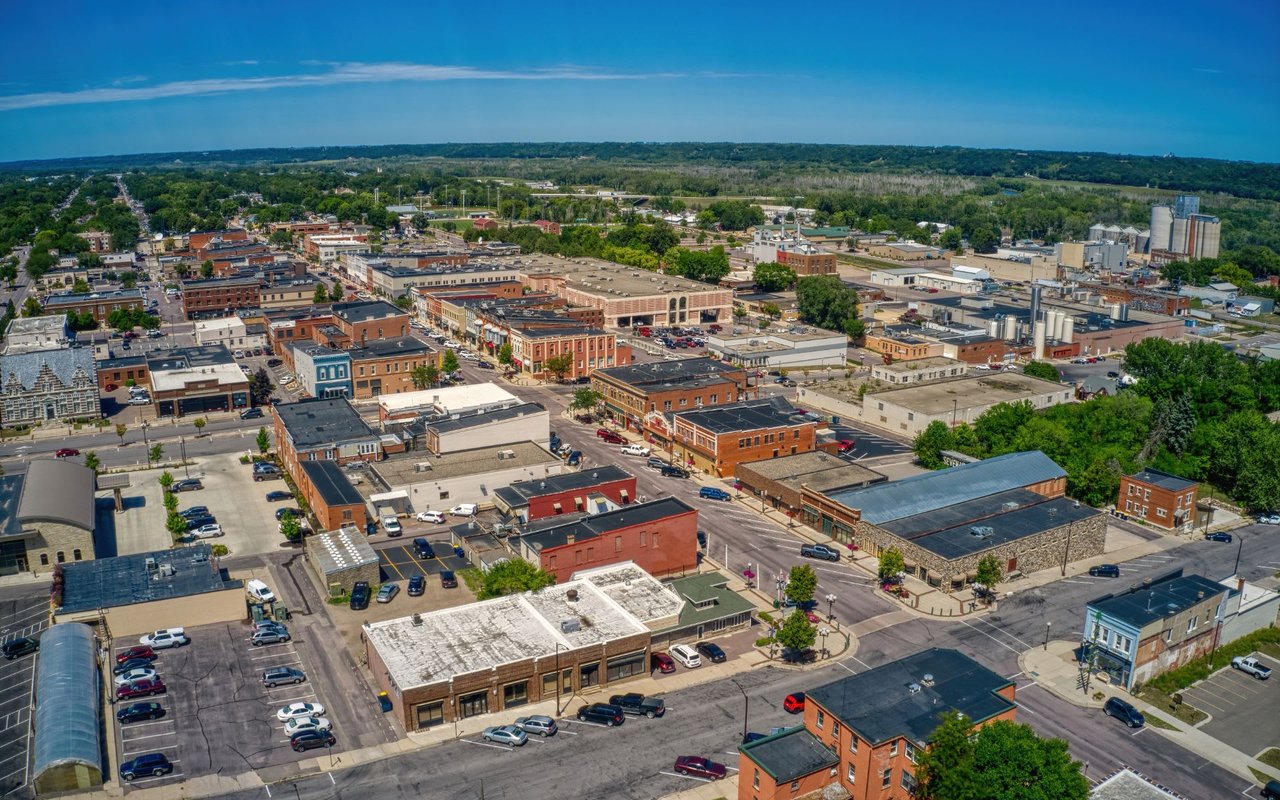
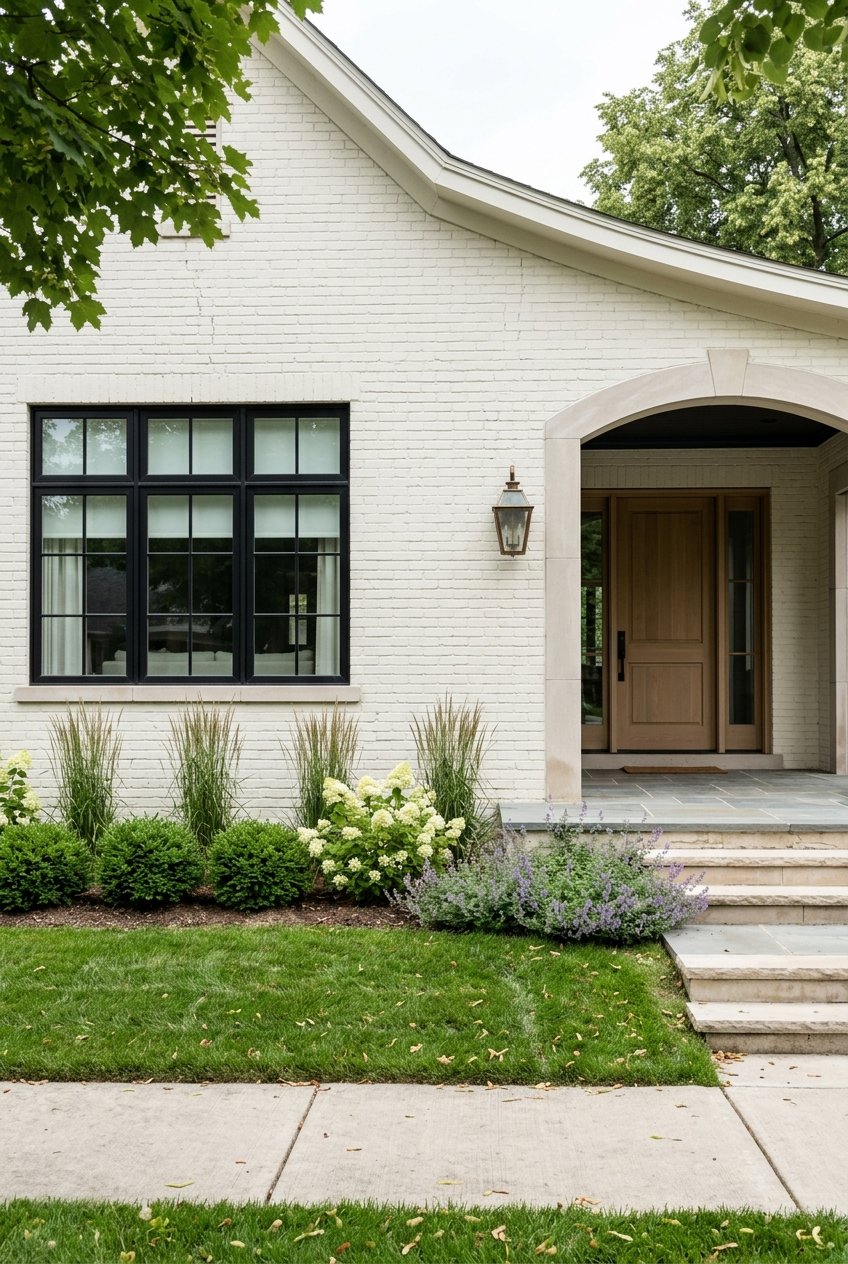
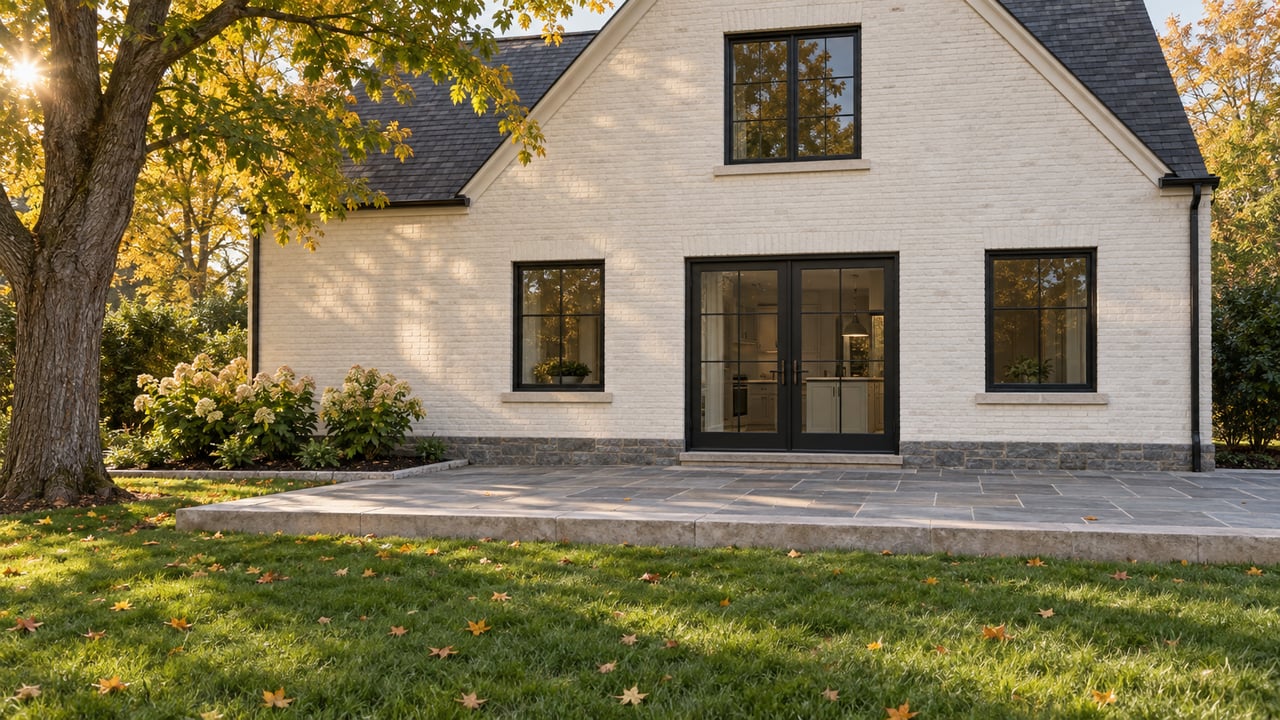
European settlers arrived in the mid-1800s and quickly recognized the value of the region's clay-rich soil. From roughly 1857 to 1961, brick manufacturing defined Chaska's economy and identity. "Chaska Brick," recognized by its distinctive cream or buff color, was used to construct the Minnesota State Capitol, Fort Snelling, and countless buildings across the region. At peak production in the early 1900s, Chaska was supplying approximately 30% of all bricks made in Minnesota. That legacy is still visible downtown, where the Walnut Street Historic District preserves rows of late Victorian commercial buildings in the local cream brick.
The city's second major transformation came in the 1960s with the federally funded Jonathan New Town project — one of the most ambitious planned community experiments in American history. Designed to integrate housing, employment, and nature into a cohesive whole, Jonathan brought a population boom and permanently shaped Chaska's northern neighborhoods. Its most lasting contribution is a trail network that allows residents to move through much of the city without ever touching a road. The "clay holes" left behind by the brick industry were repurposed as scenic ponds and parks, neatly connecting the city's industrial past to its recreational present.
Where Is Chaska Located?
Chaska serves as the county seat of Carver County and sits approximately 25 miles southwest of Minneapolis along the Minnesota River Valley. Highway 212 is the primary artery connecting it to the metro, providing relatively direct access to Eden Prairie, Edina, and downtown Minneapolis.
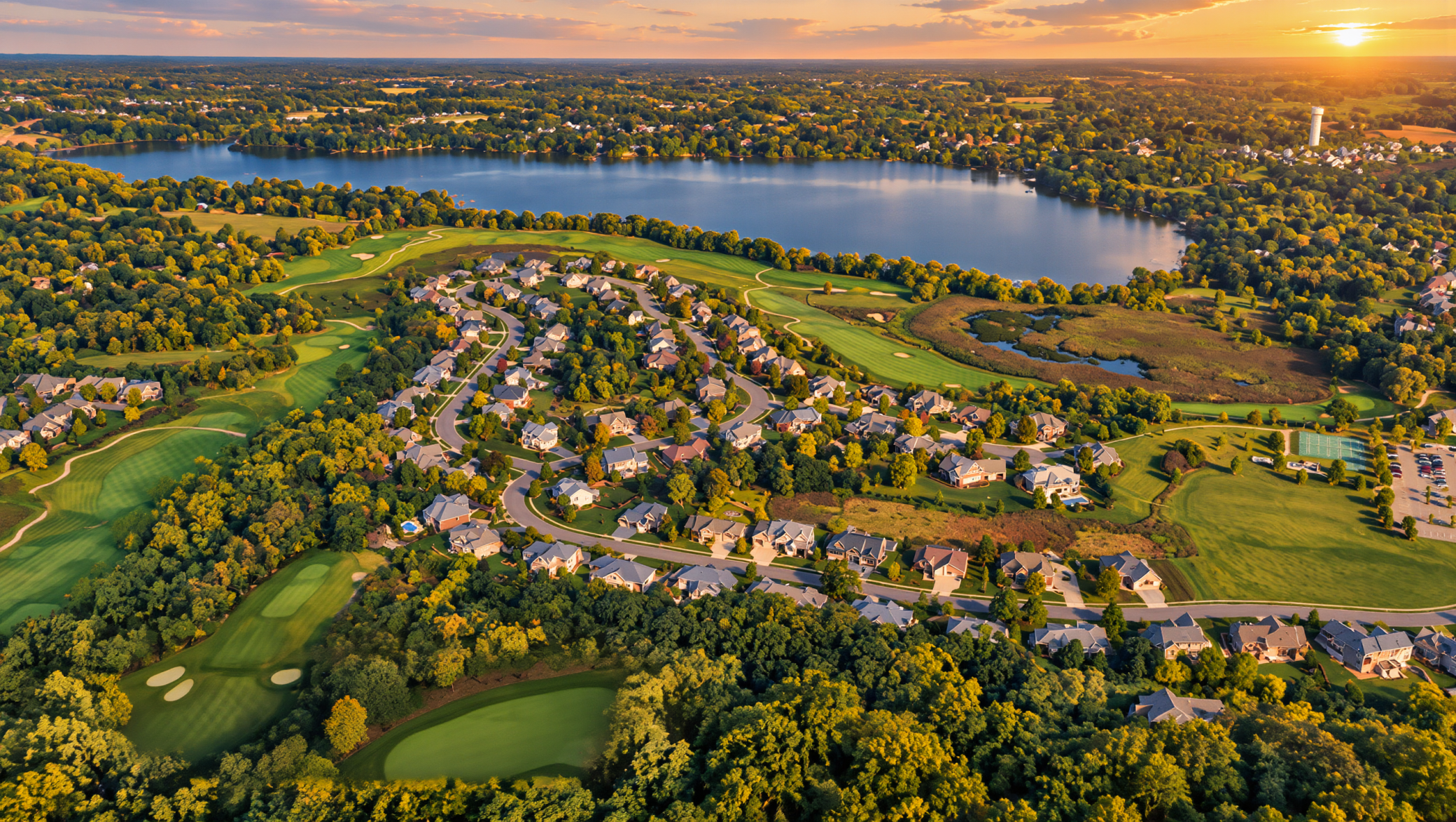
The city's geography is notably split between two distinct elevations. The lower floodplain along the Minnesota River — which forms the city's southern boundary separating it from Jordan and rural Scott County — is home to wetlands, Chaska Lake, and the Minnesota Valley National Wildlife Refuge. The higher, rolling bluffs to the north are where most of the residential development sits, offering views across the valley and easy access to the trail system.
Victoria and Chanhassen border Chaska to the north and east, while the small city of Carver sits directly to the west. The Minnesota Landscape Arboretum, one of the region's most significant green spaces at over 1,200 acres, sits partially within Chaska's northern borders — a significant quality-of-life asset for residents.
What's the Housing Market Like?
Chaska's market in early 2026 is best described as a steady rebalance. The bidding wars of 2021–2023 have cooled considerably, but the market hasn't tipped into buyer-friendly territory. Sellers still hold the edge, though buyers have meaningfully more room to negotiate than they did two years ago.
Median list prices currently range from roughly $599,000 to $645,000, with the typical home value for the broader area closer to $465,000 — the gap reflecting the premium attached to newer construction and larger single-family homes. Annual appreciation has moderated to around 1.4% to 2.2%, a far cry from the pandemic-era spikes but still a healthy long-term signal.
Inventory is slowly recovering, up nearly 9% year-over-year, though a structural deficit persists. There are still more interested buyers than available homes. Well-priced properties are moving in roughly 56 to 58 days, and sellers are receiving approximately 97% of asking price. Mortgage rates stabilizing around 6% have given buyers slightly more predictability for monthly payment planning, making contingencies and inspections more common again — a meaningful shift from recent years.
What Types of Homes Are Available?
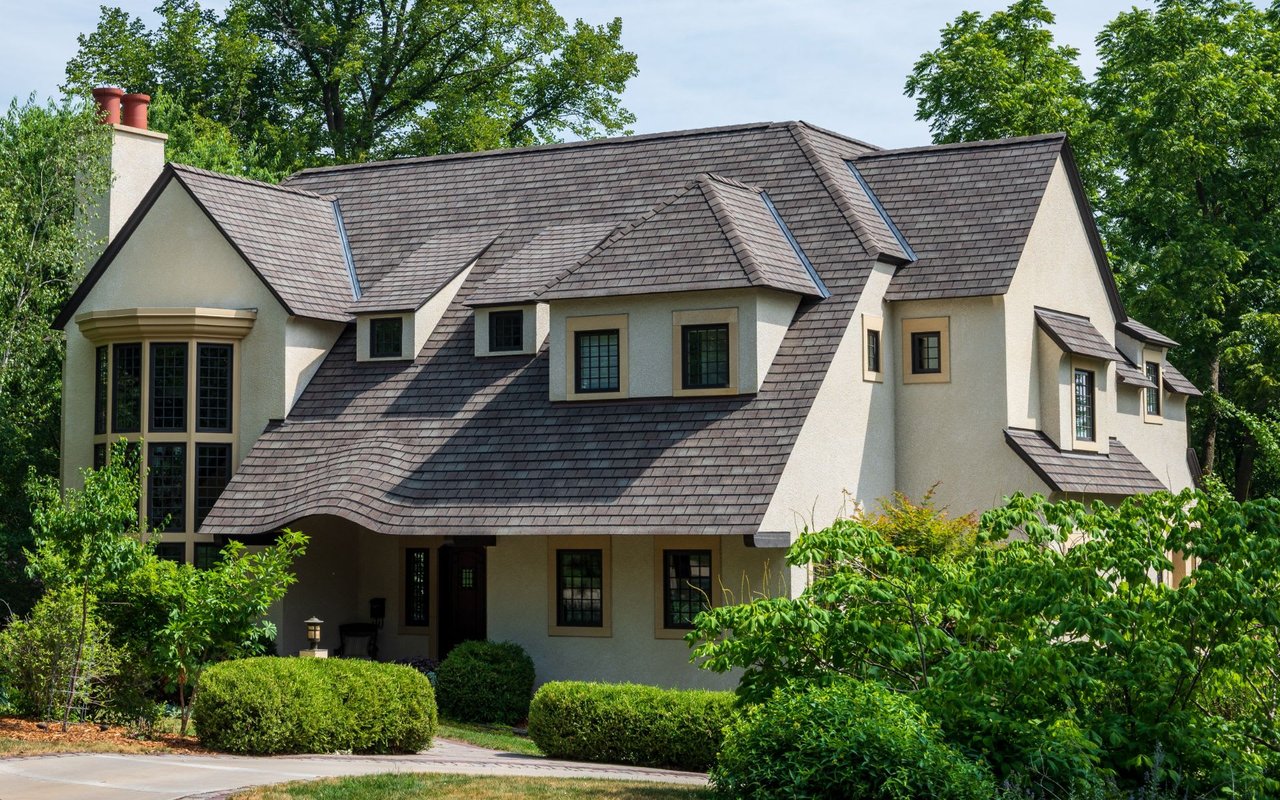
Chaska's housing stock is genuinely diverse, shaped by over 150 years of development across very different eras.
Historic single-family homes in and around downtown — many built with the local cream brick — typically run $350,000 to $600,000. These properties offer architectural character that's impossible to replicate but require attention to maintenance, particularly tuckpointing on original brick.
Jonathan-era homes from the 1960s through 1980s make up a large portion of the city's mid-range inventory. Designed to integrate with the trail system and surrounding greenery, they're practical and well-located but are reaching the age where major systems like roofs and HVAC are often on their second or third cycle — something buyers should factor into their offers.
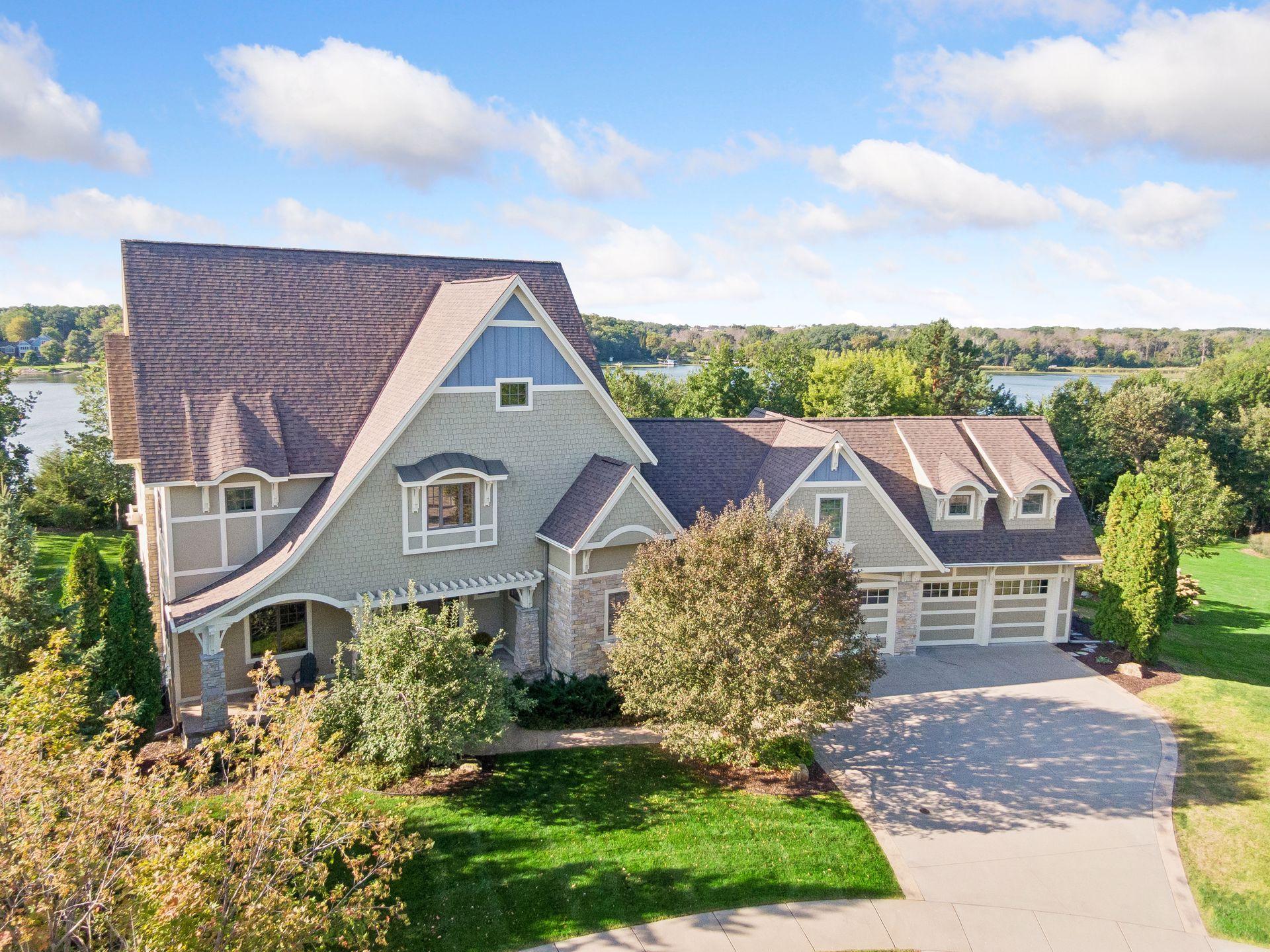
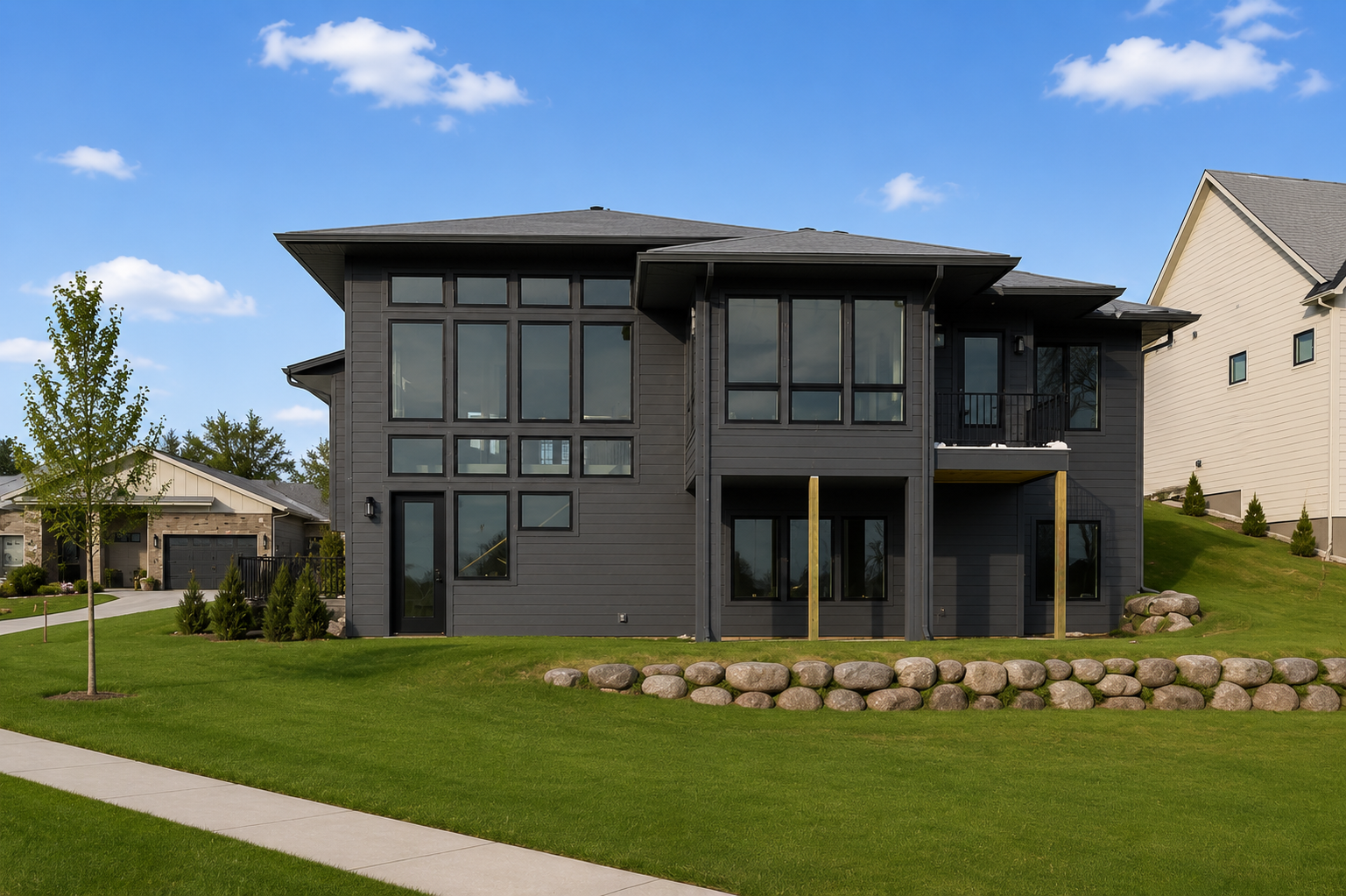
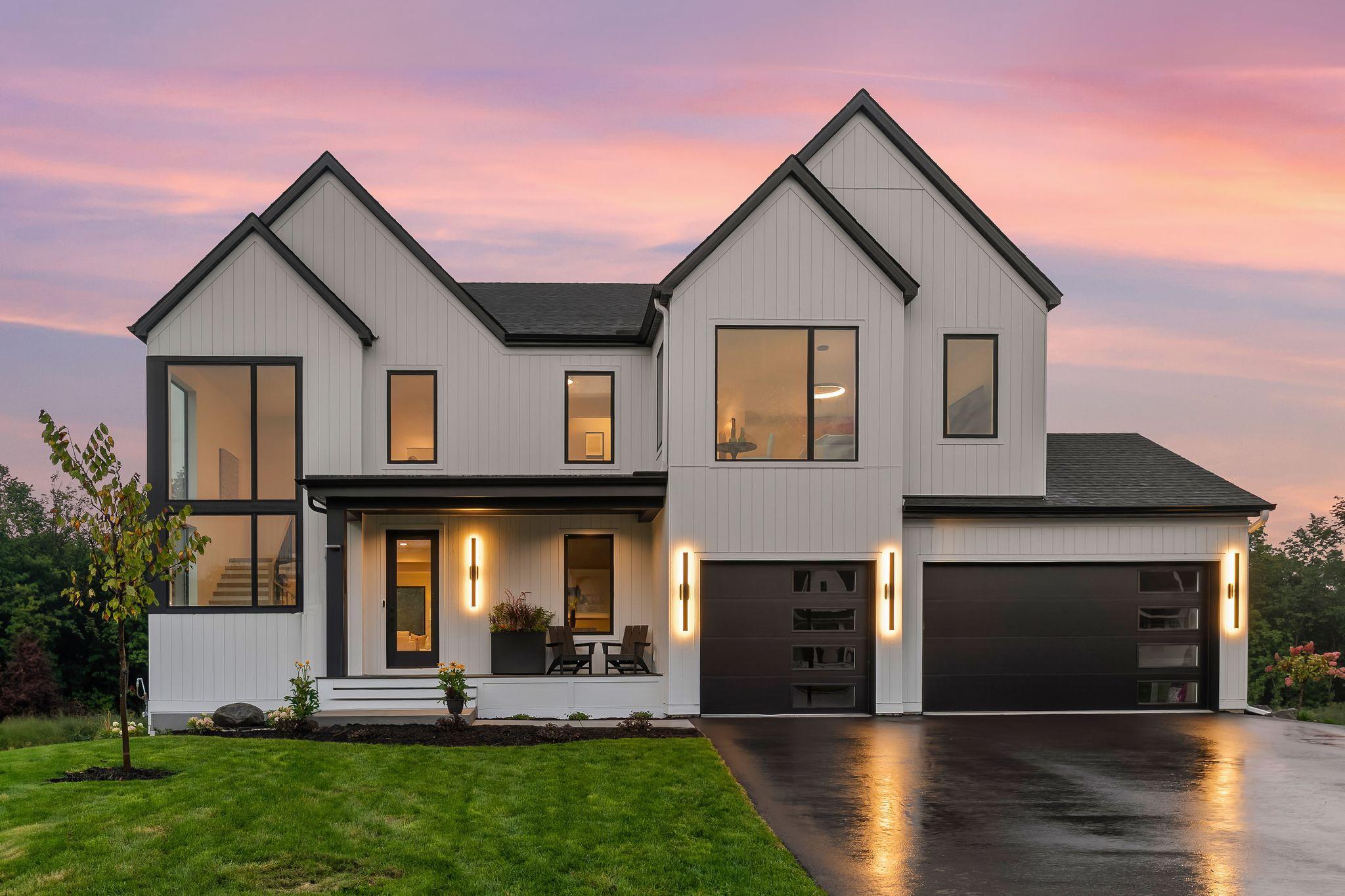
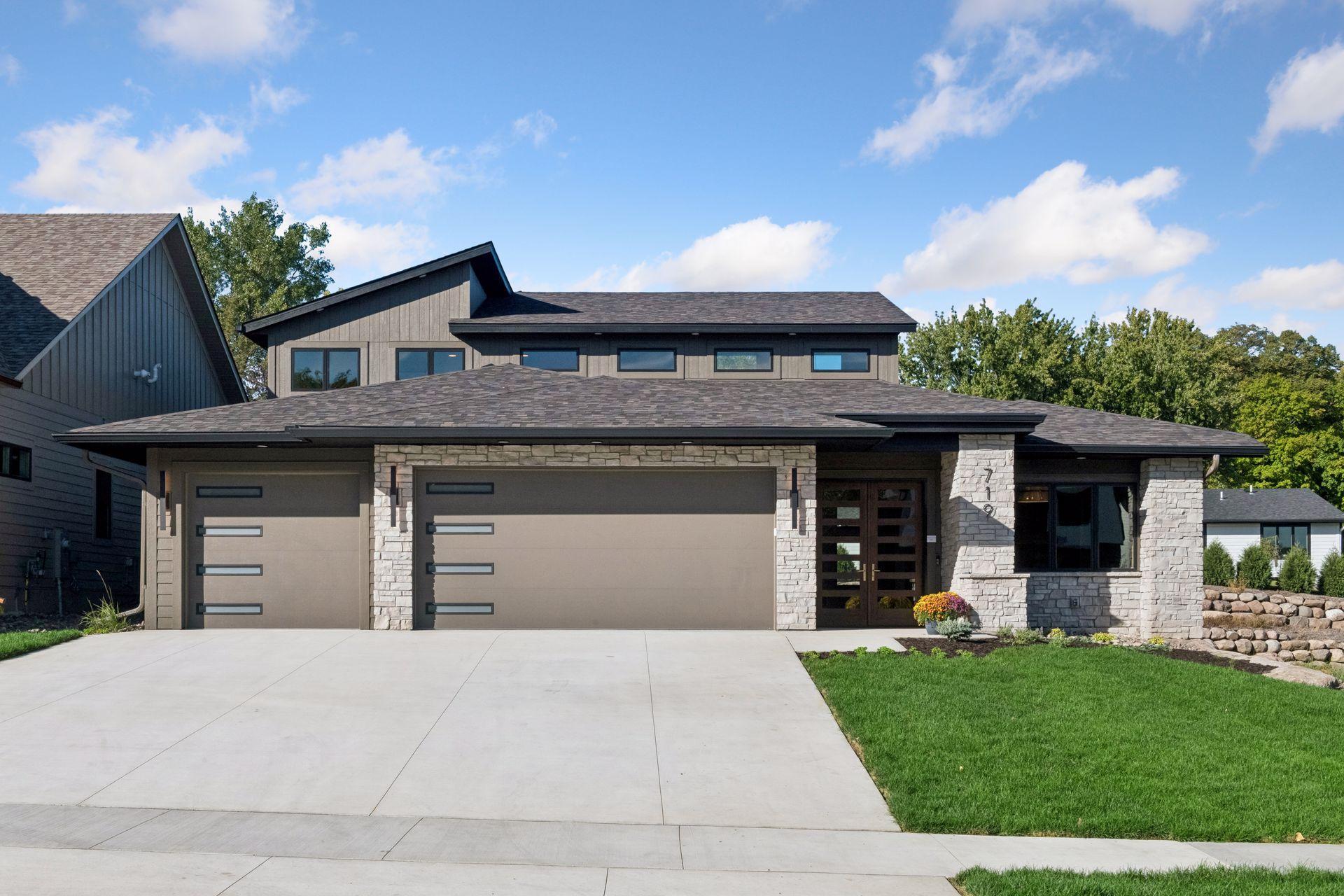
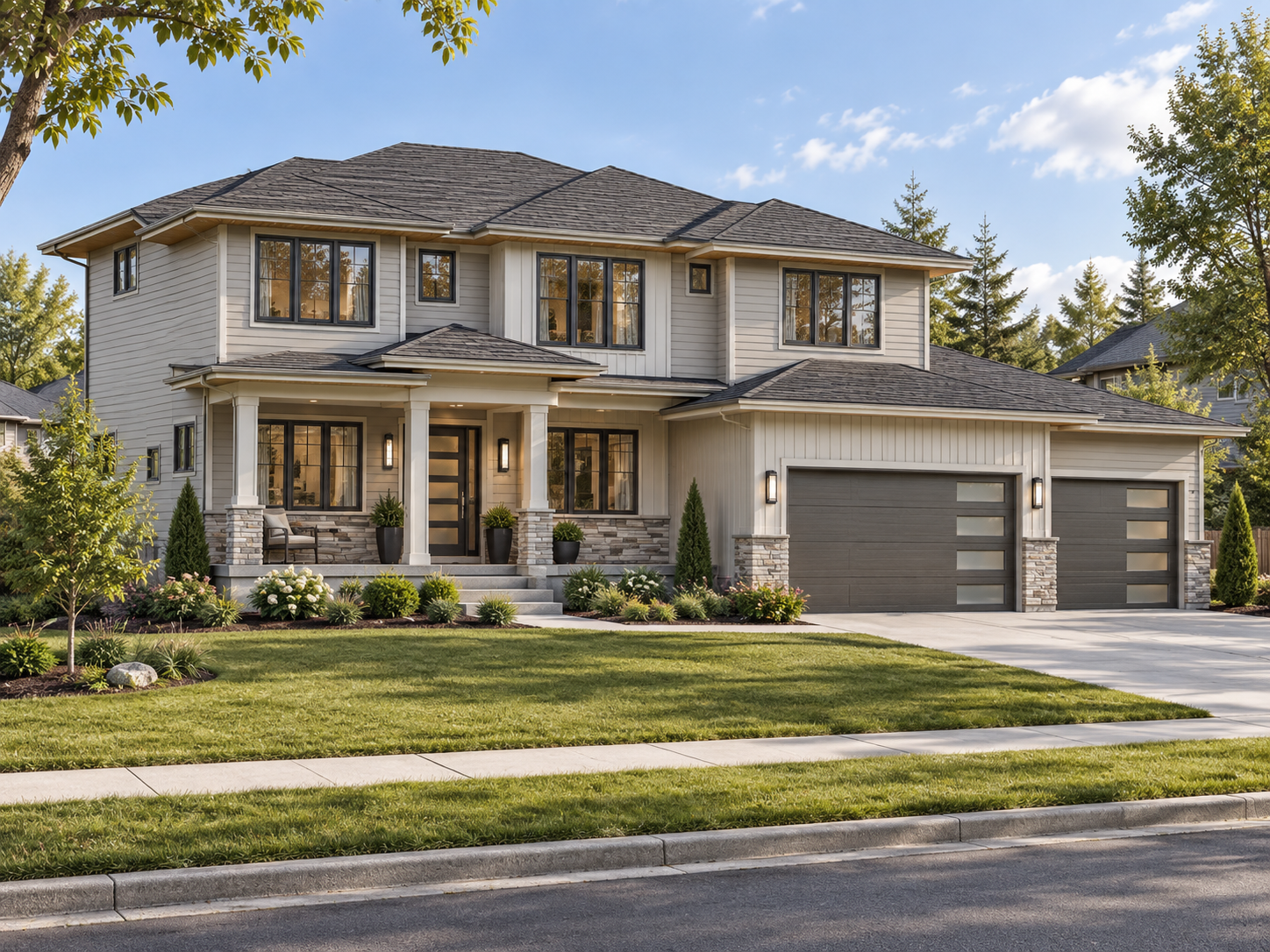
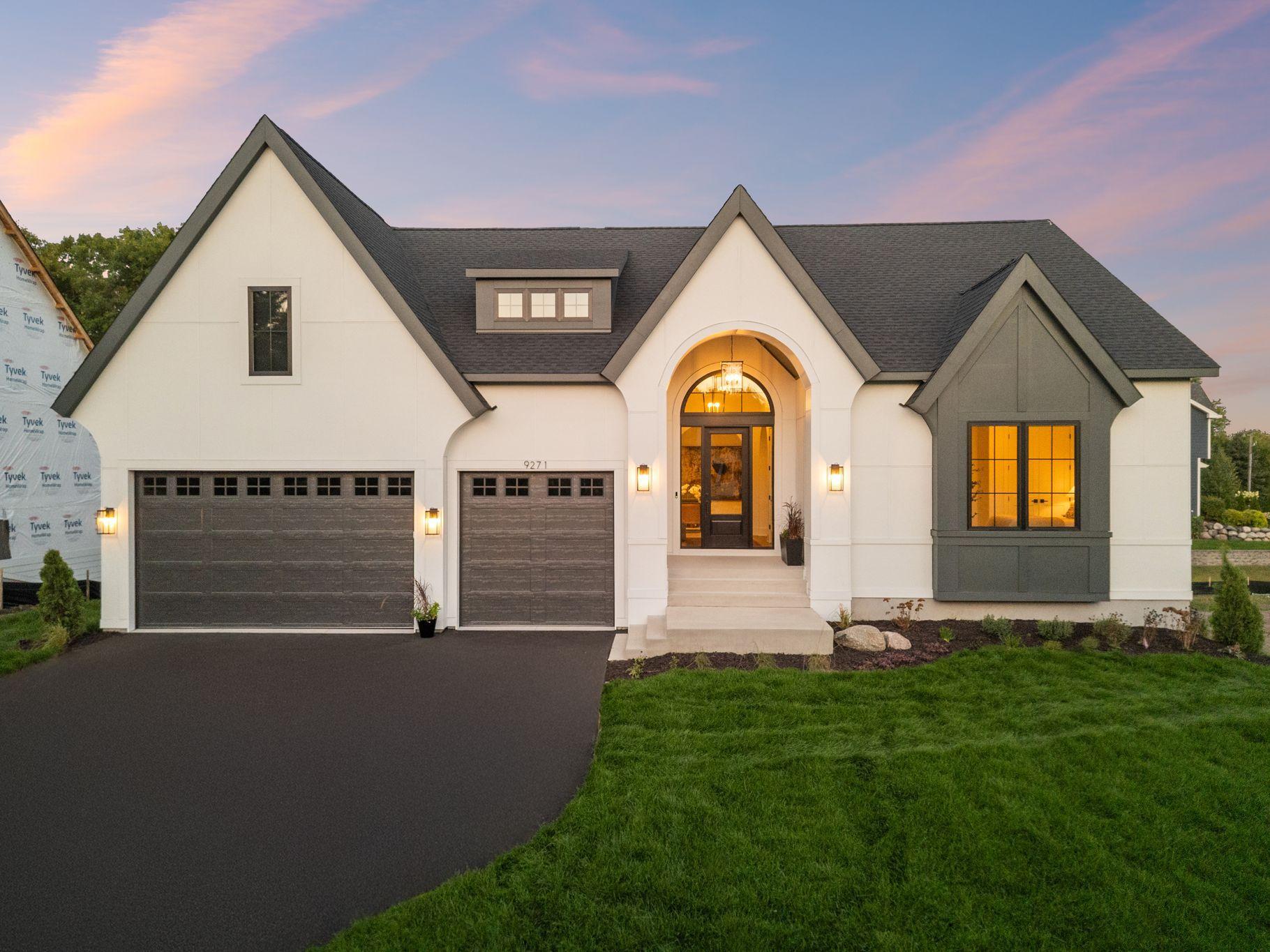
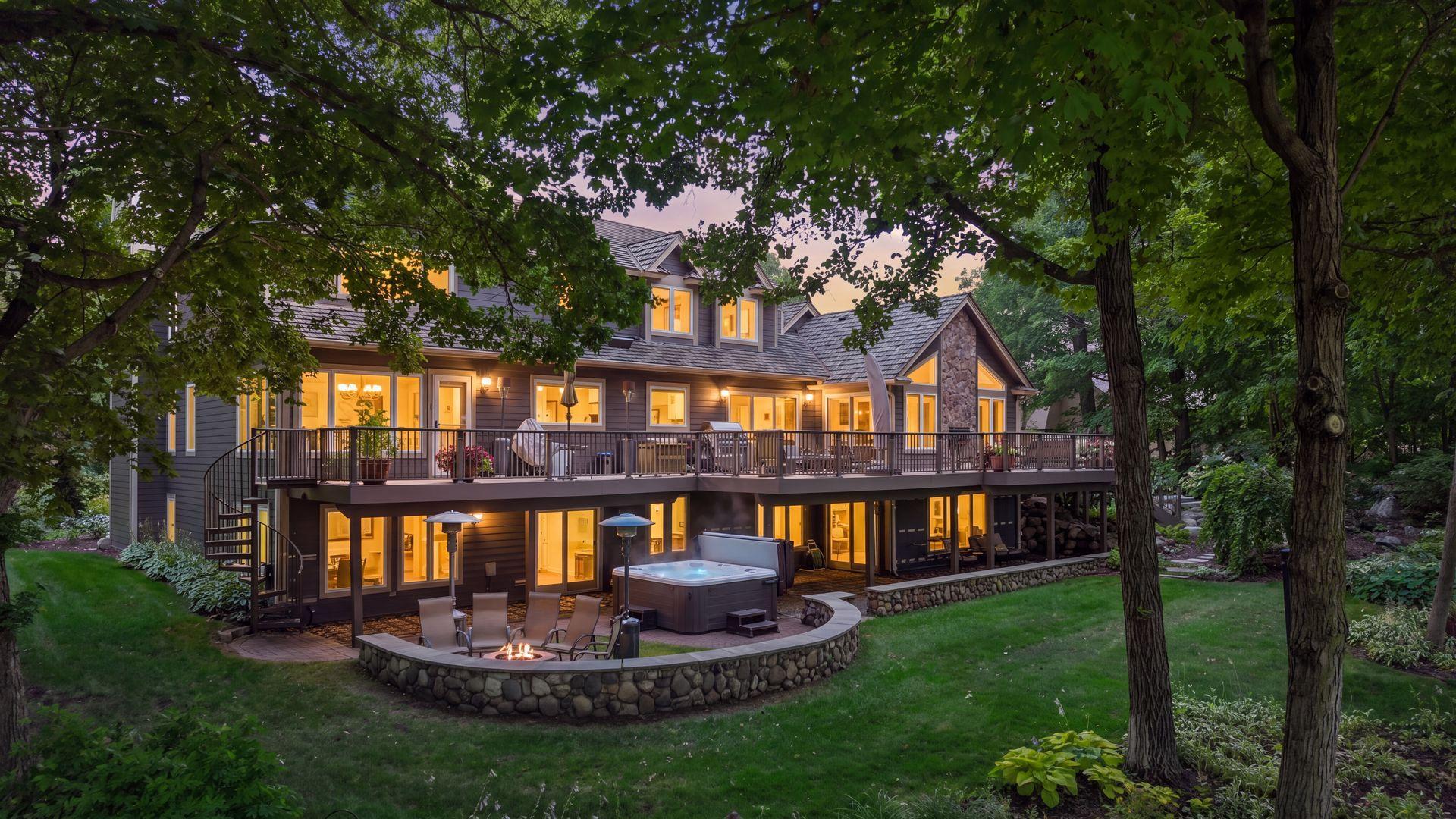
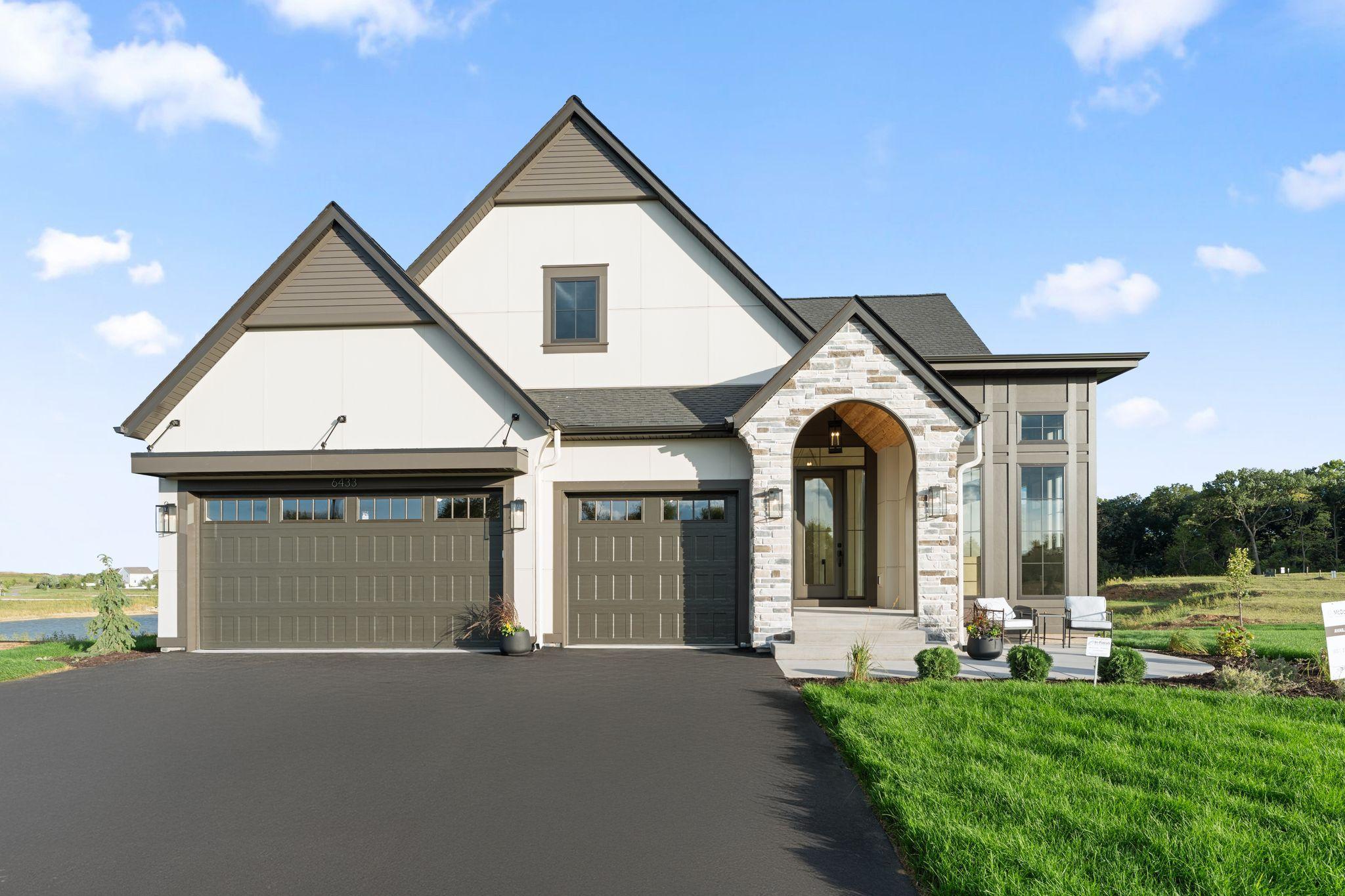
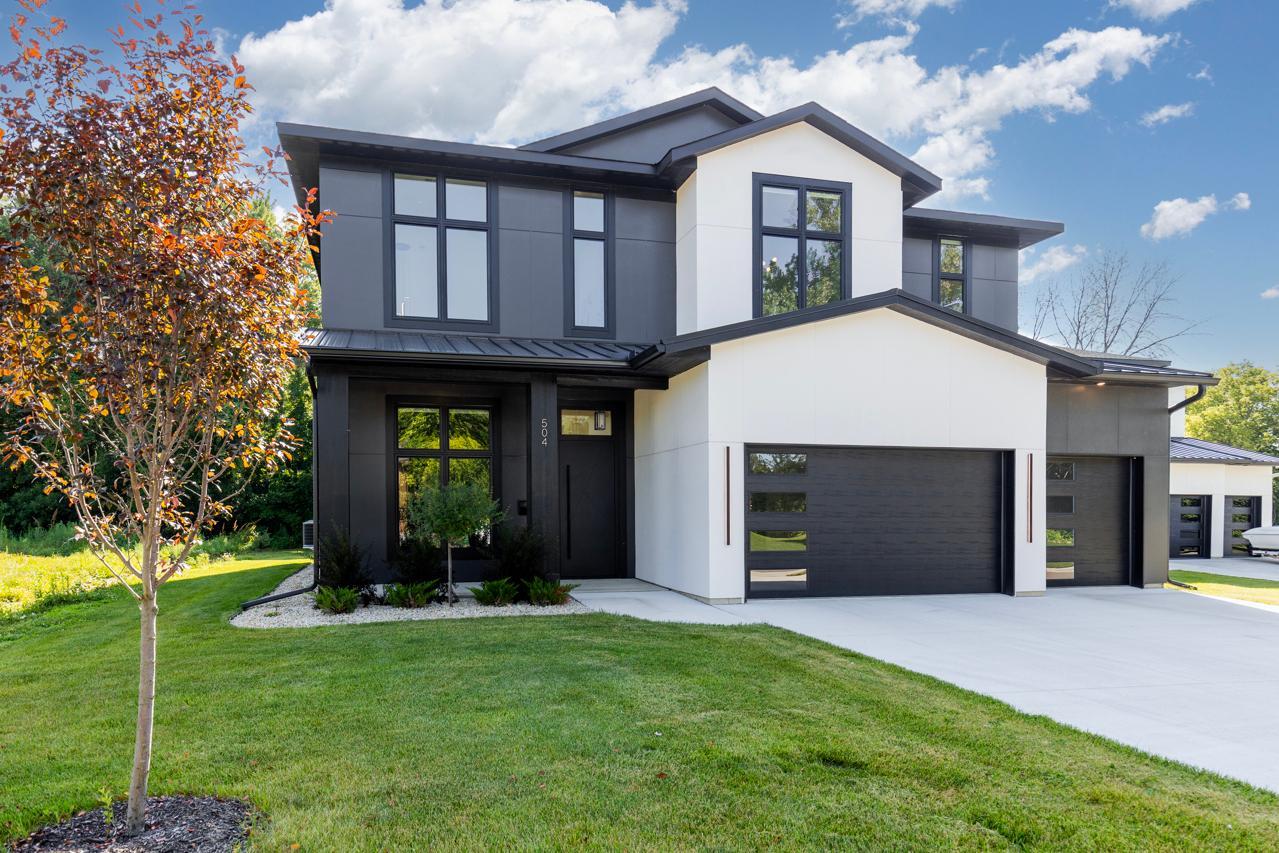
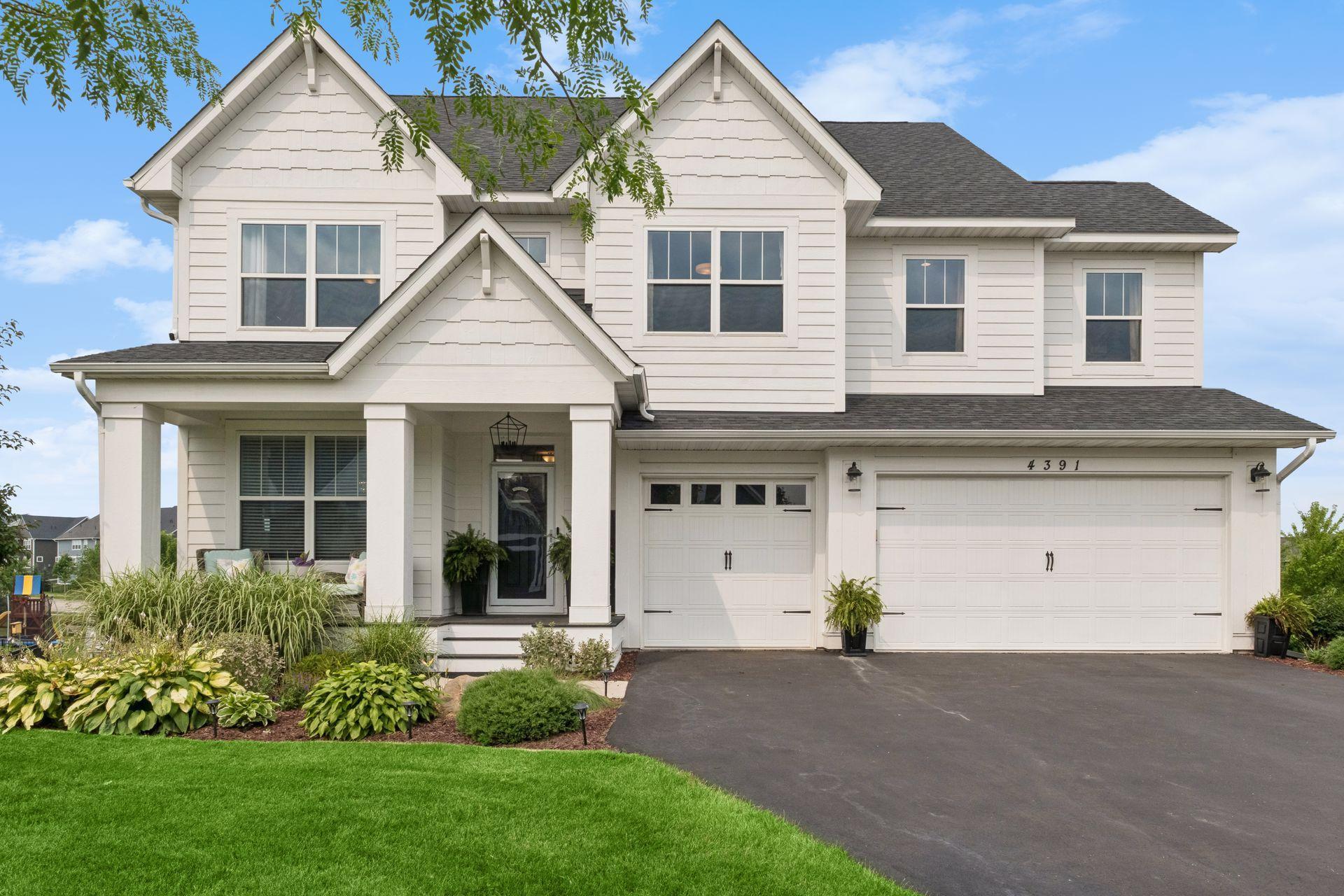
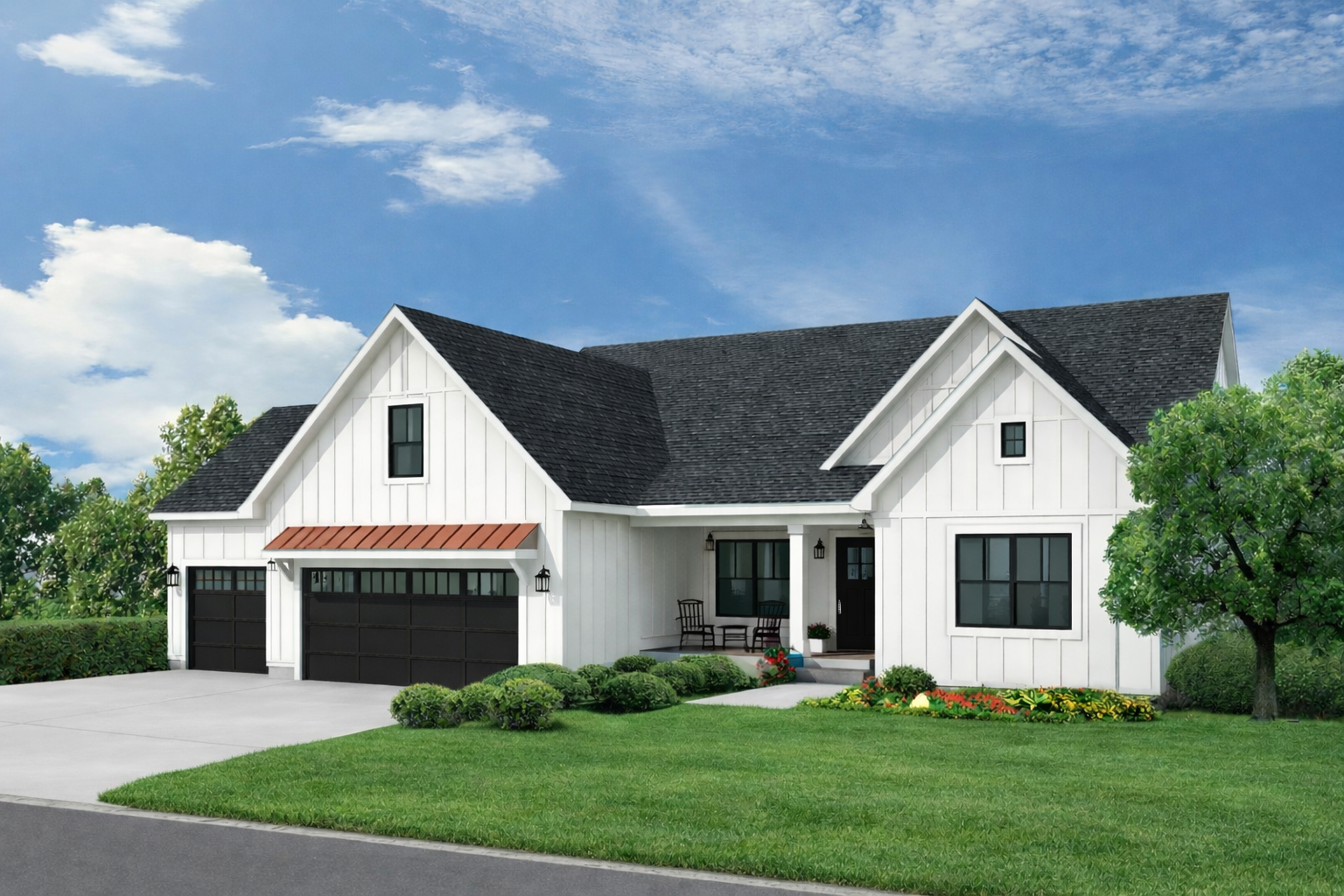
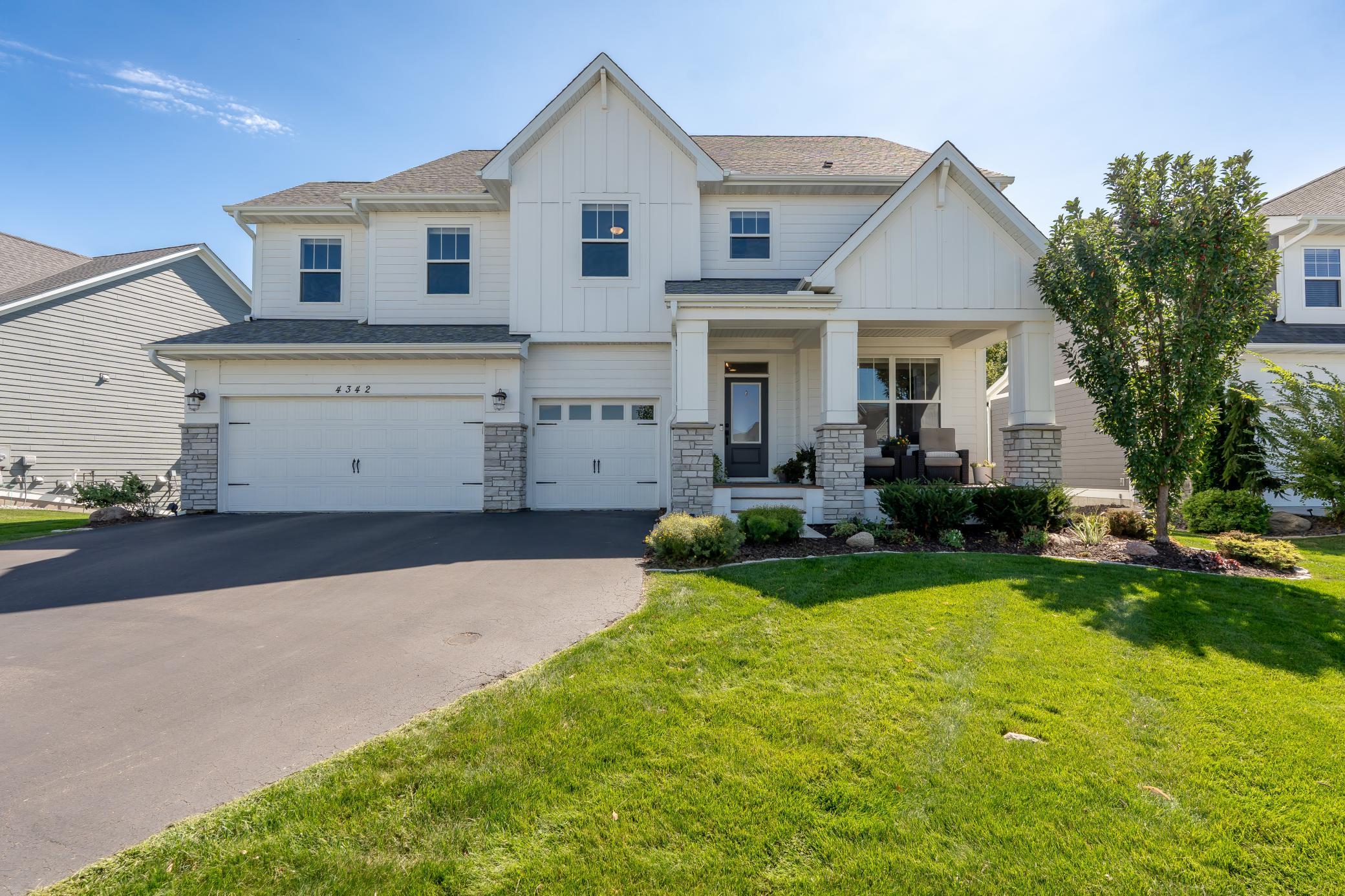
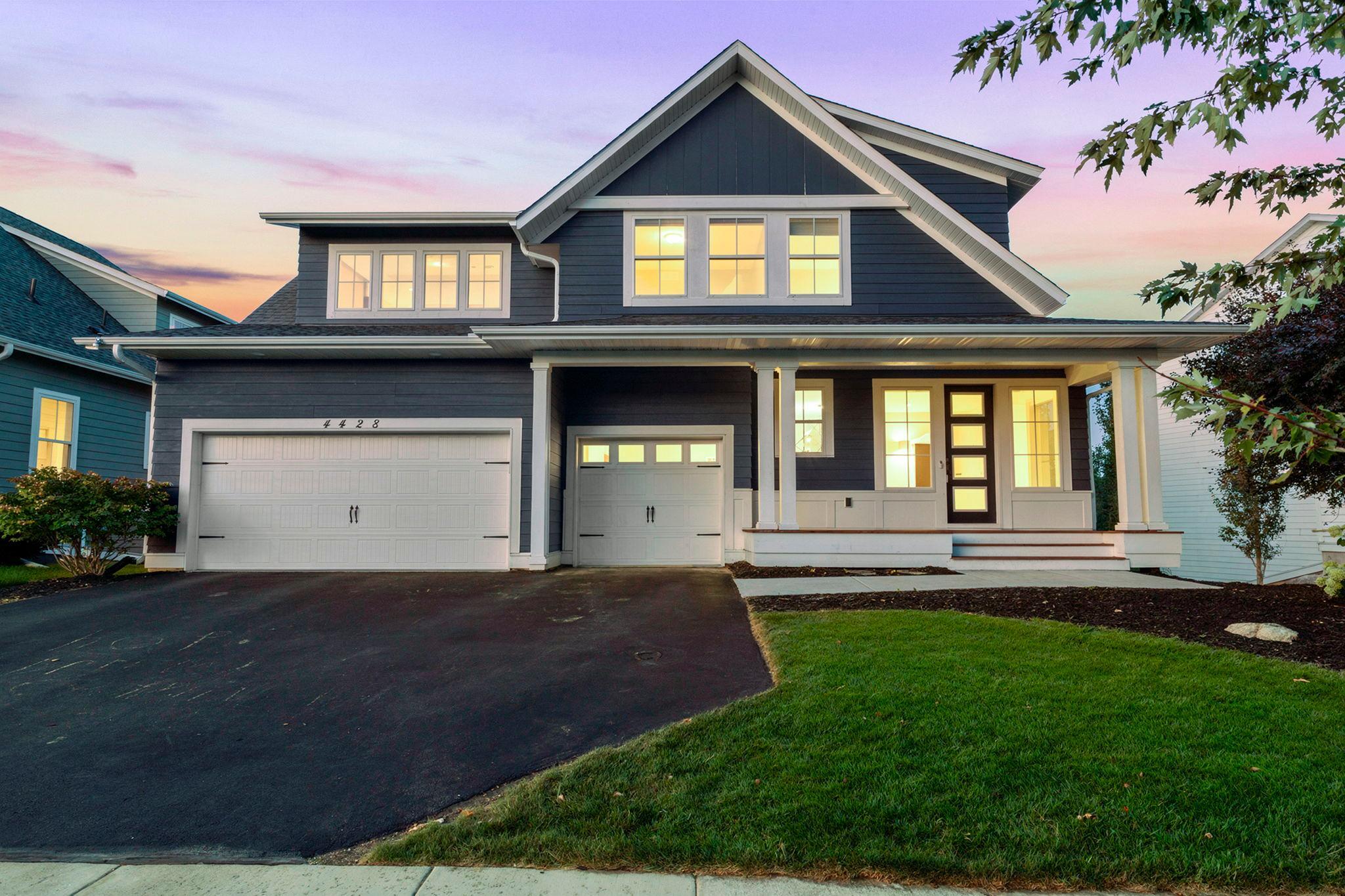
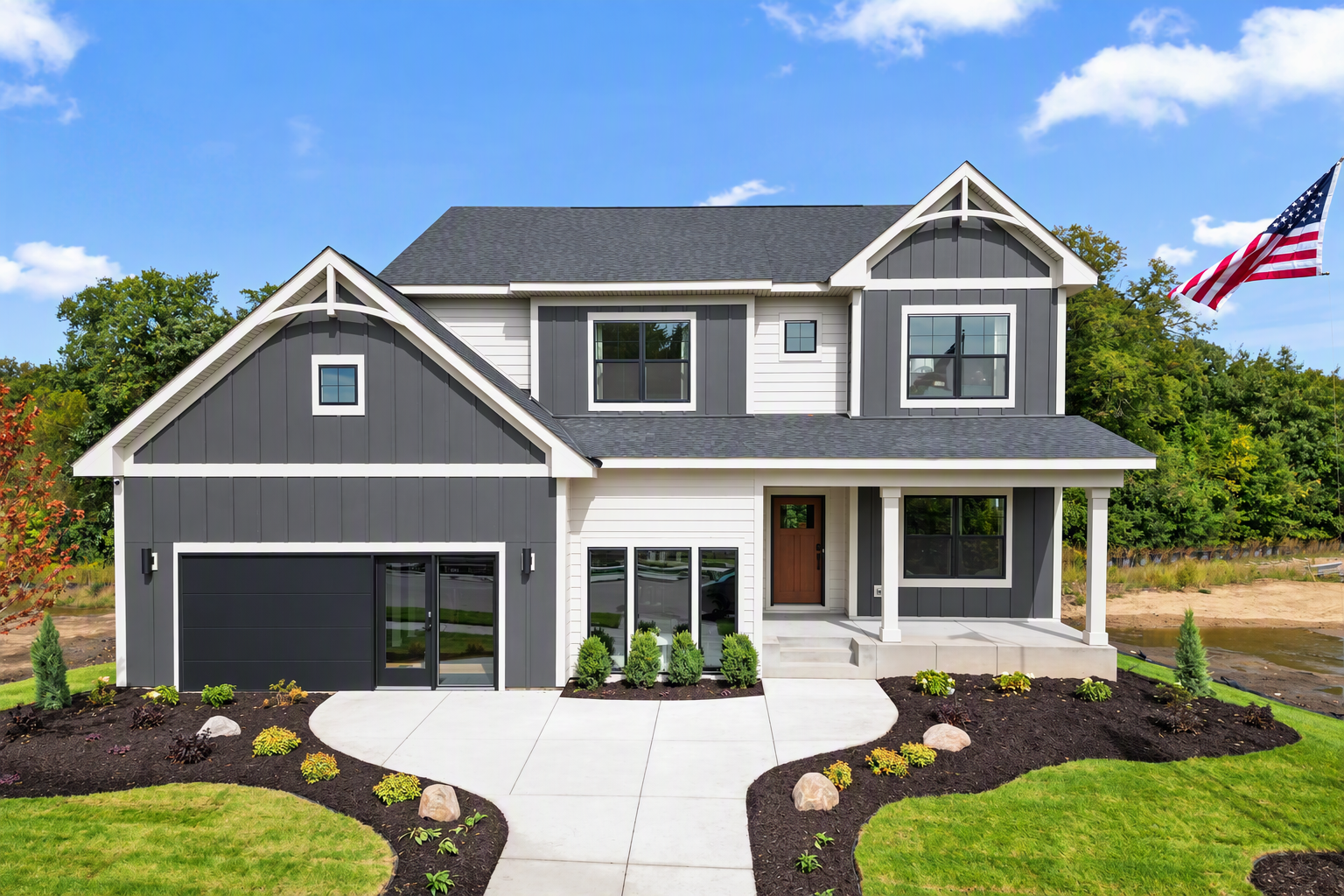
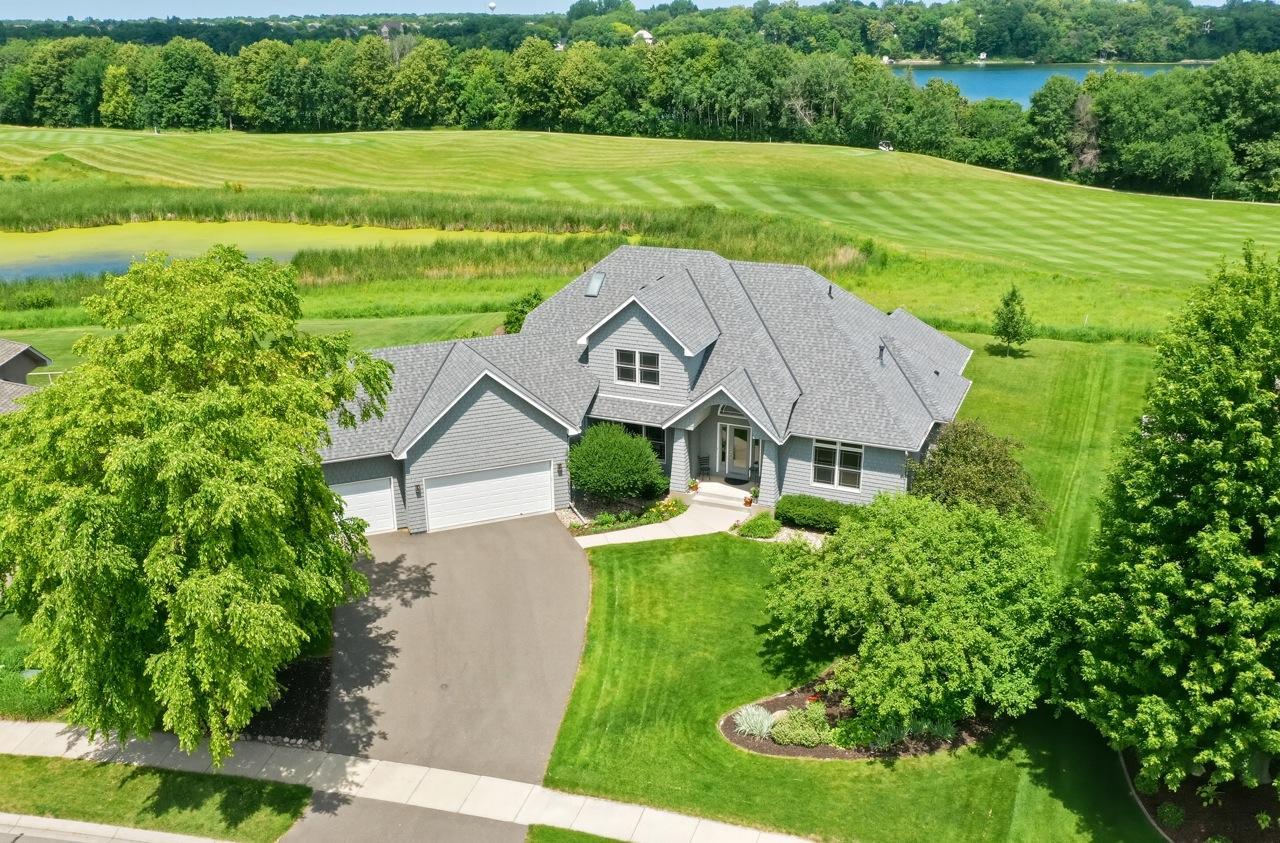
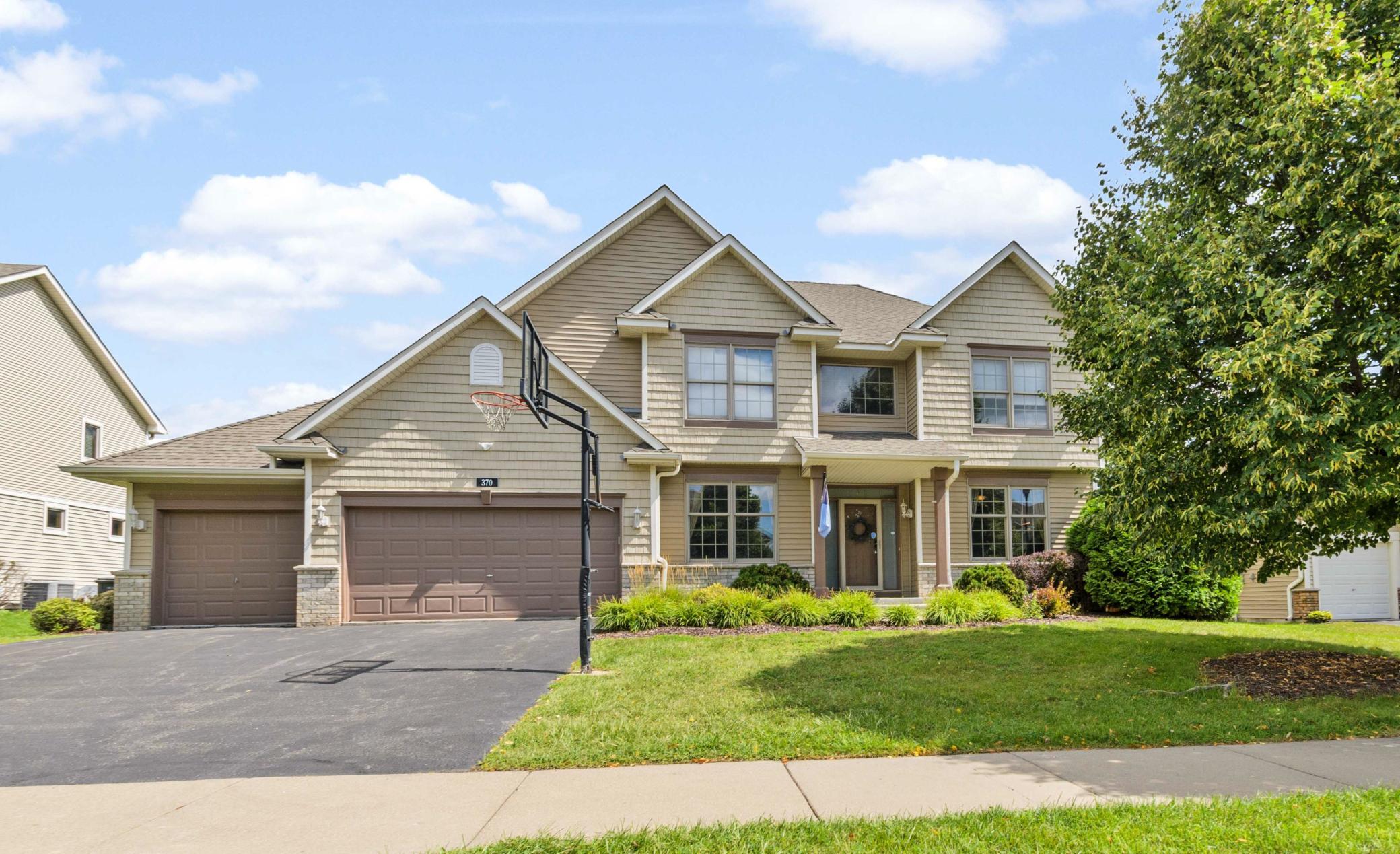
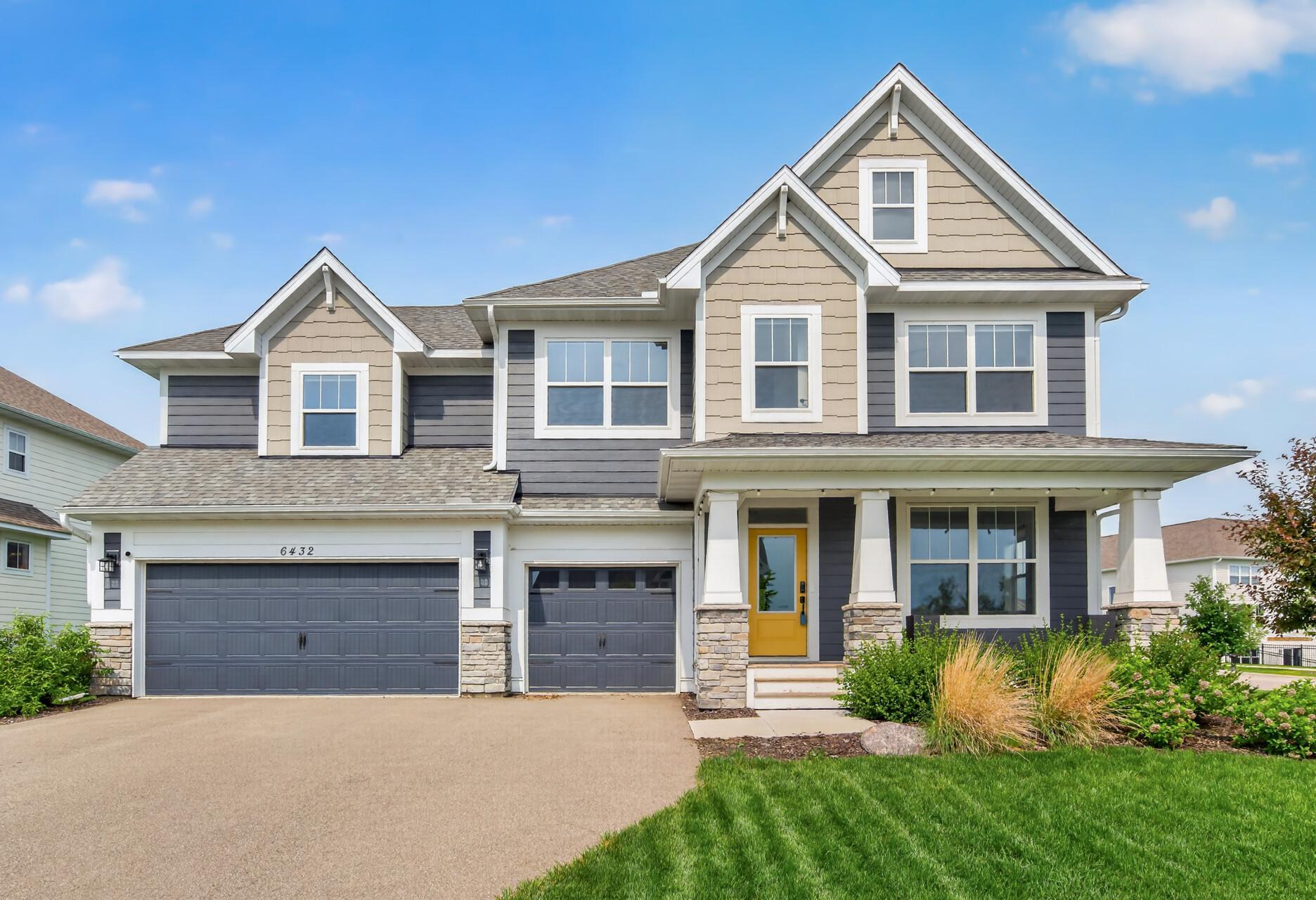
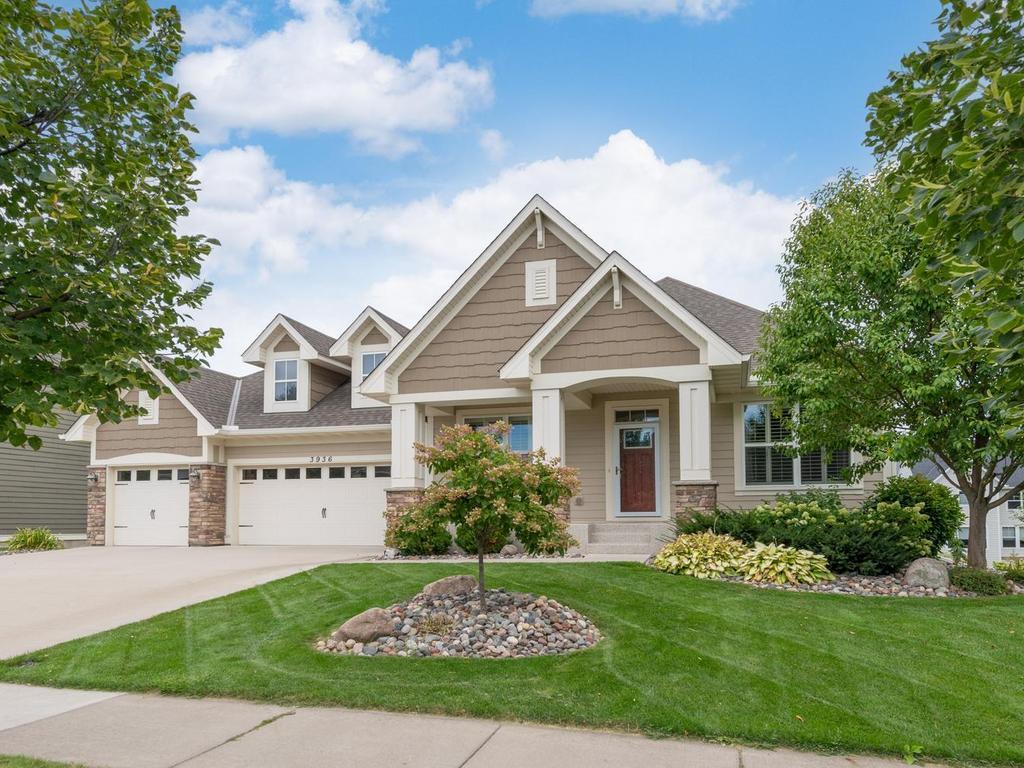
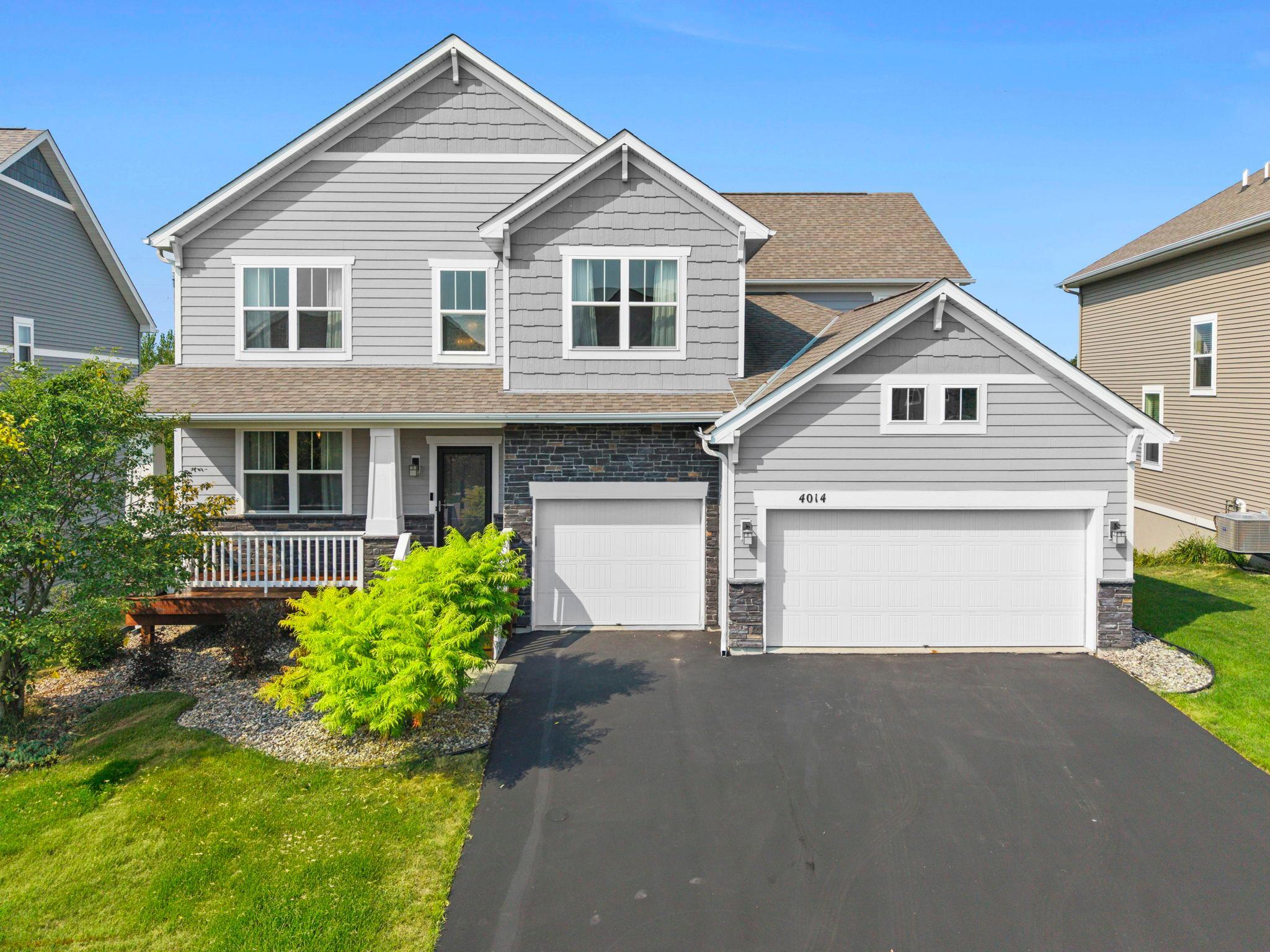
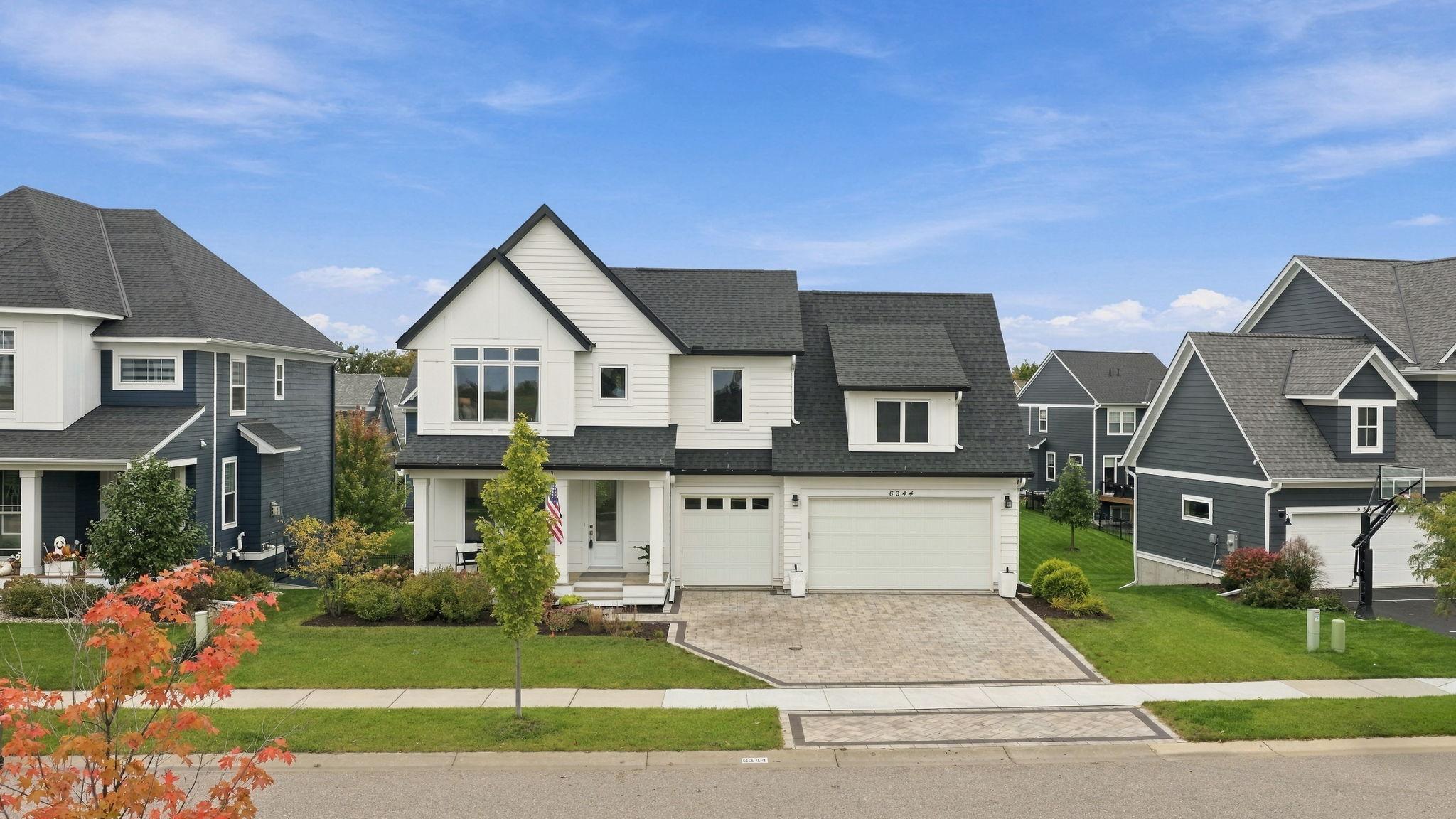
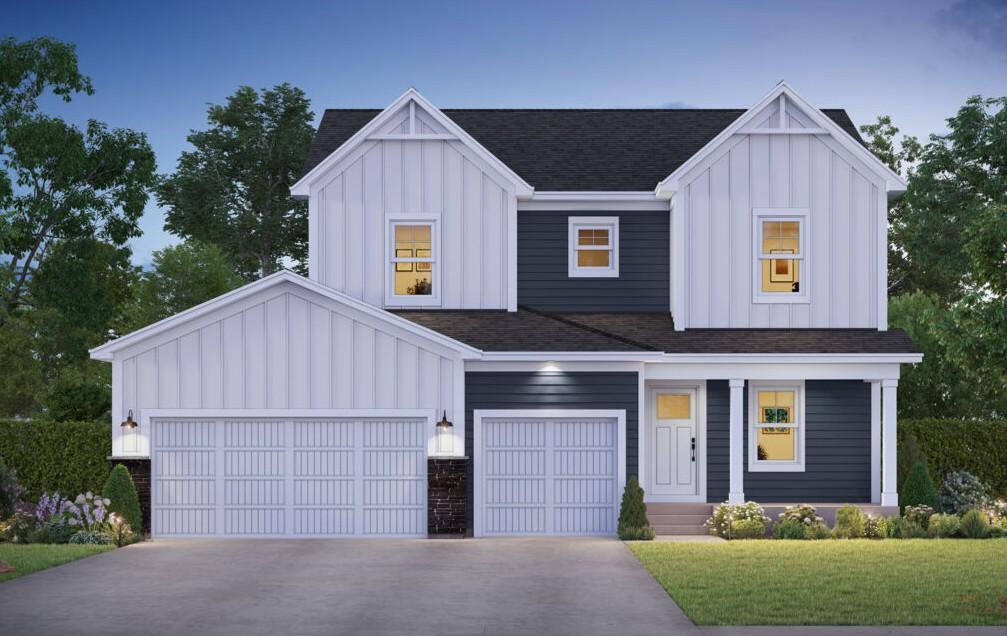
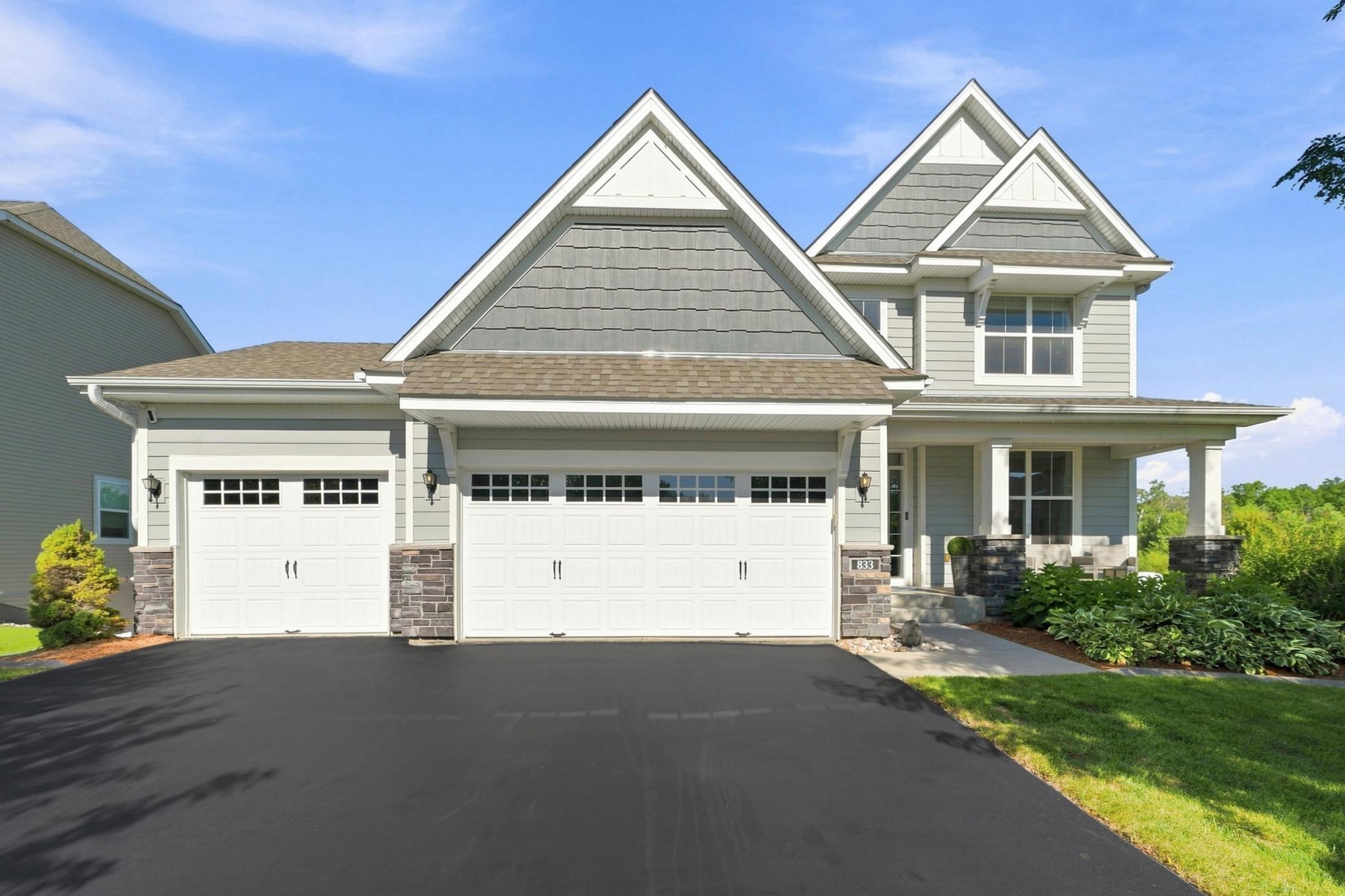
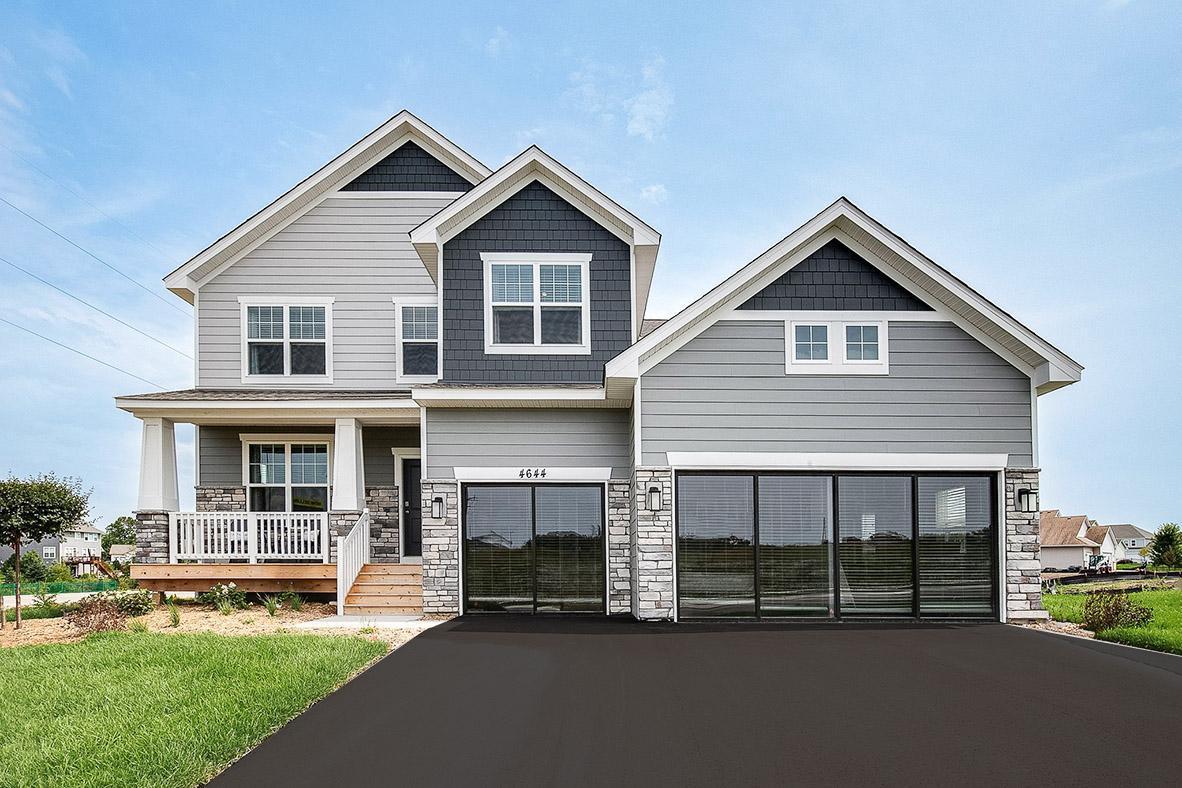
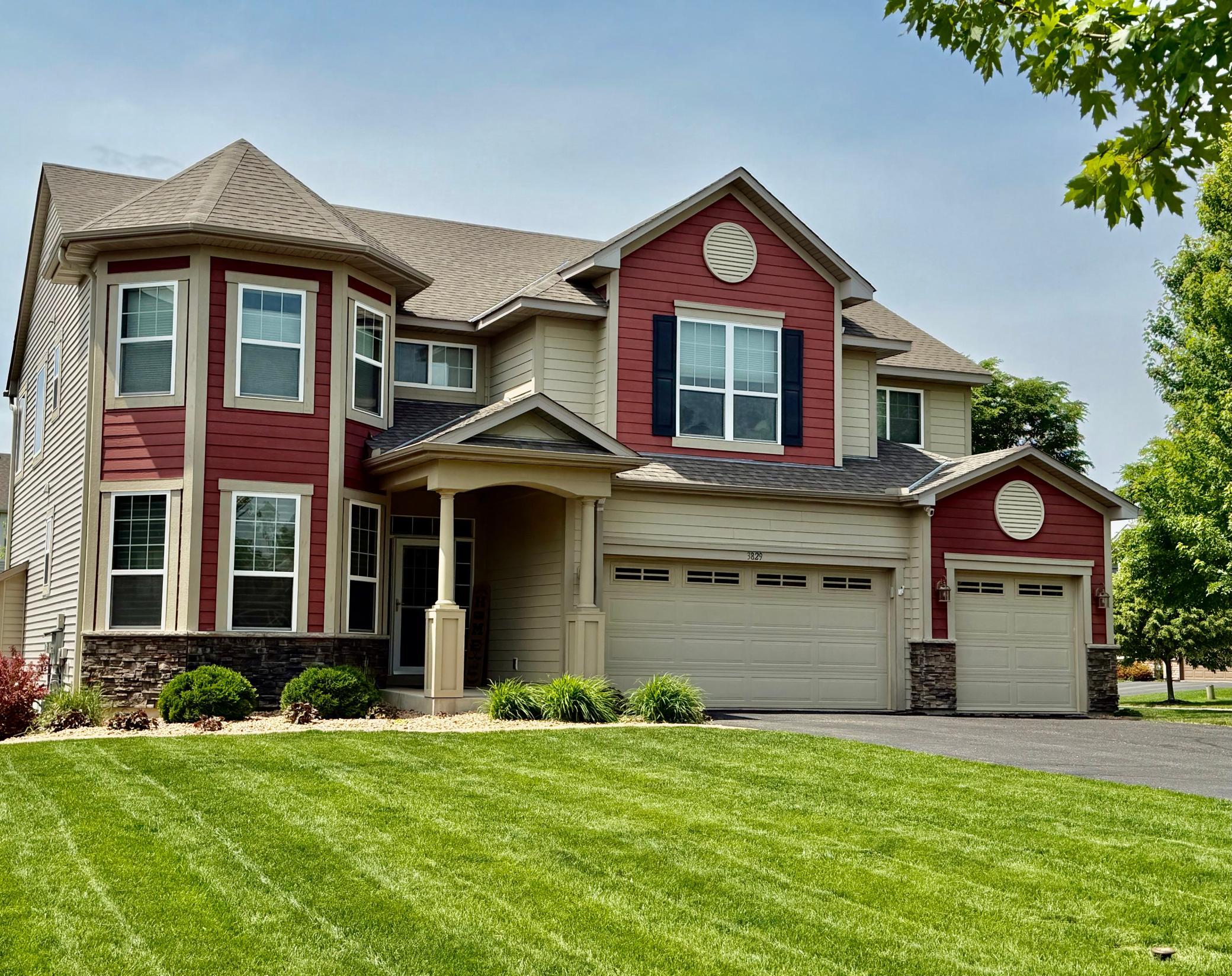
Newer luxury construction, concentrated in developments near Hazeltine National Golf Club and areas like Oak Creek, pushes into the $700,000 to $1.5M+ range. These are larger modern estates on generous lots, aimed at buyers prioritizing space and contemporary finishes.
Townhomes are a strong segment, particularly in the Clover Ridge area, with pricing typically between $250,000 and $450,000. Condos and apartments near the city center serve downsizers and young professionals in the $150,000 to $300,000 range. Newer luxury apartment complexes along Highway 212 have also expanded the rental market, generally running $1,500 to $2,500 per month.
What Should Buyers Consider?
The Jonathan Association covers a large portion of Chaska's northern neighborhoods and is one of the largest HOAs in Minnesota. Membership means access to 24-plus miles of private trails, community gardens, and neighborhood centers — but it also means annual fees, potential neighborhood-specific assessments, and strict architectural guidelines for exterior changes. Understand what you're buying into before you fall in love with a property.
Flood zone proximity is a real consideration for downtown and river-adjacent homes. While only about 9% of properties carry severe flood risk, those in the lower floodplain may require mandatory flood insurance, which can meaningfully affect monthly carrying costs. Always confirm FEMA flood plain status before making an offer.
School boundaries within Eastern Carver County Schools (ISD 112) are worth mapping carefully. Some Chaska neighborhoods feed into Chanhassen High School rather than Chaska High School, and zones perceived as higher-performing command a 10 to 15% price premium. If school assignments factor into your decision, verify boundary lines directly with the district.
Property age and maintenance deserves serious attention. Historic downtown brick homes require specialized mortar for repairs — standard modern mortar is too hard for the original soft Chaska brick and will accelerate deterioration. Jonathan-era homes built in the 70s and 80s are at the age where deferred maintenance on roofing, HVAC, and windows becomes a real budget variable.
Noise and traffic are worth checking at the property level. Highway 212 and Union Pacific railroad tracks running through the river valley create noise corridors that vary significantly by neighborhood.
What Should Sellers Know?
Minnesota's spring market is as powerful as advertised. Listing between late April and July maximizes buyer traffic, aligns with families motivated by school-year timelines, and lets your property's curb appeal speak for itself. Winter listings still move — buyers in that season tend to be highly motivated — but staging for cold-weather appeal requires specific effort: warm lighting, a showcased fireplace, and immaculate driveway maintenance.
Pricing discipline matters more now than it did two years ago. Homes that sit past the 50-day mark develop a "stale listing" stigma that's difficult to recover from. Pricing at or slightly below market value to generate competing offers consistently outperforms the "test the market" strategy in the current environment.
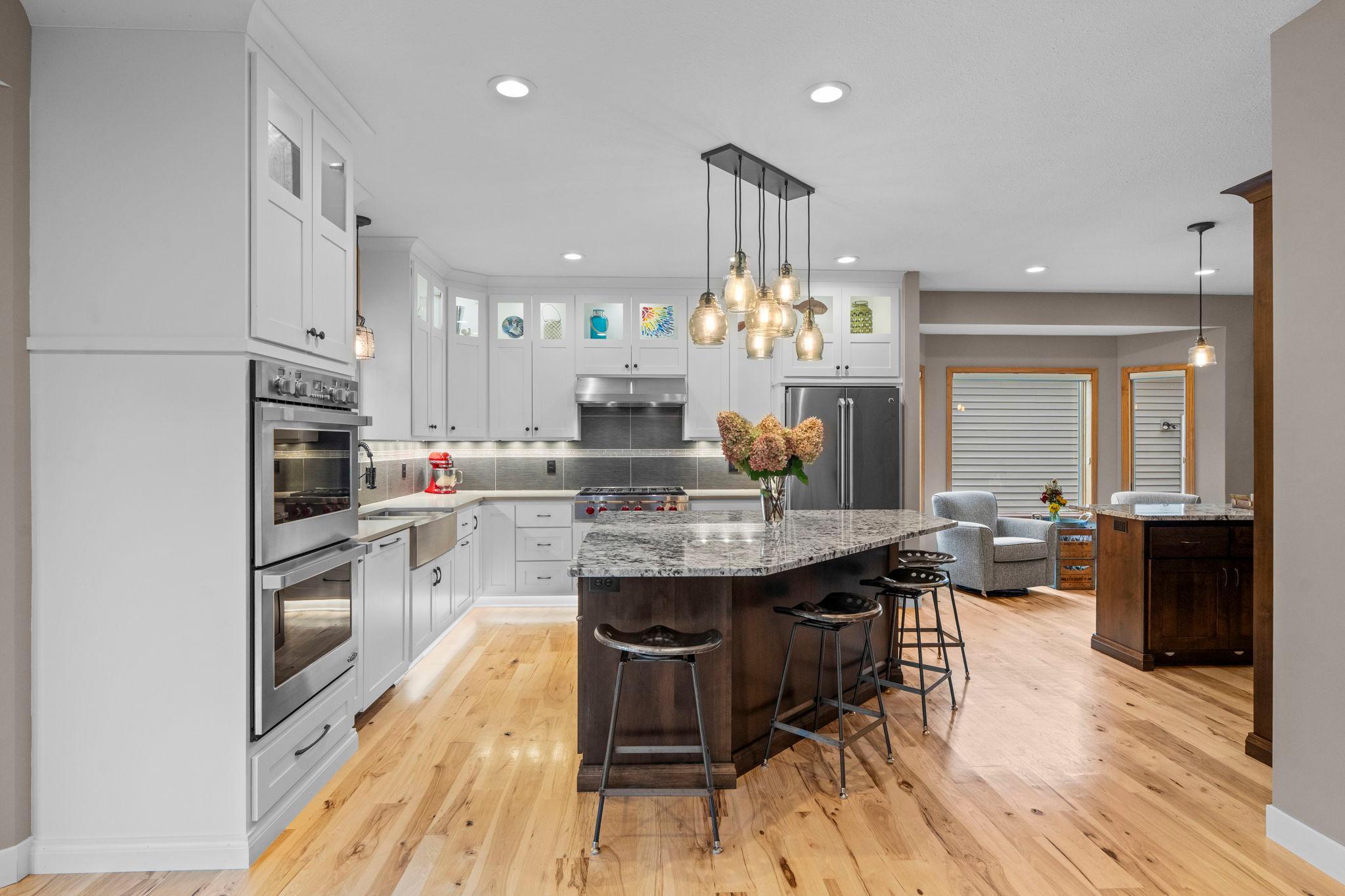
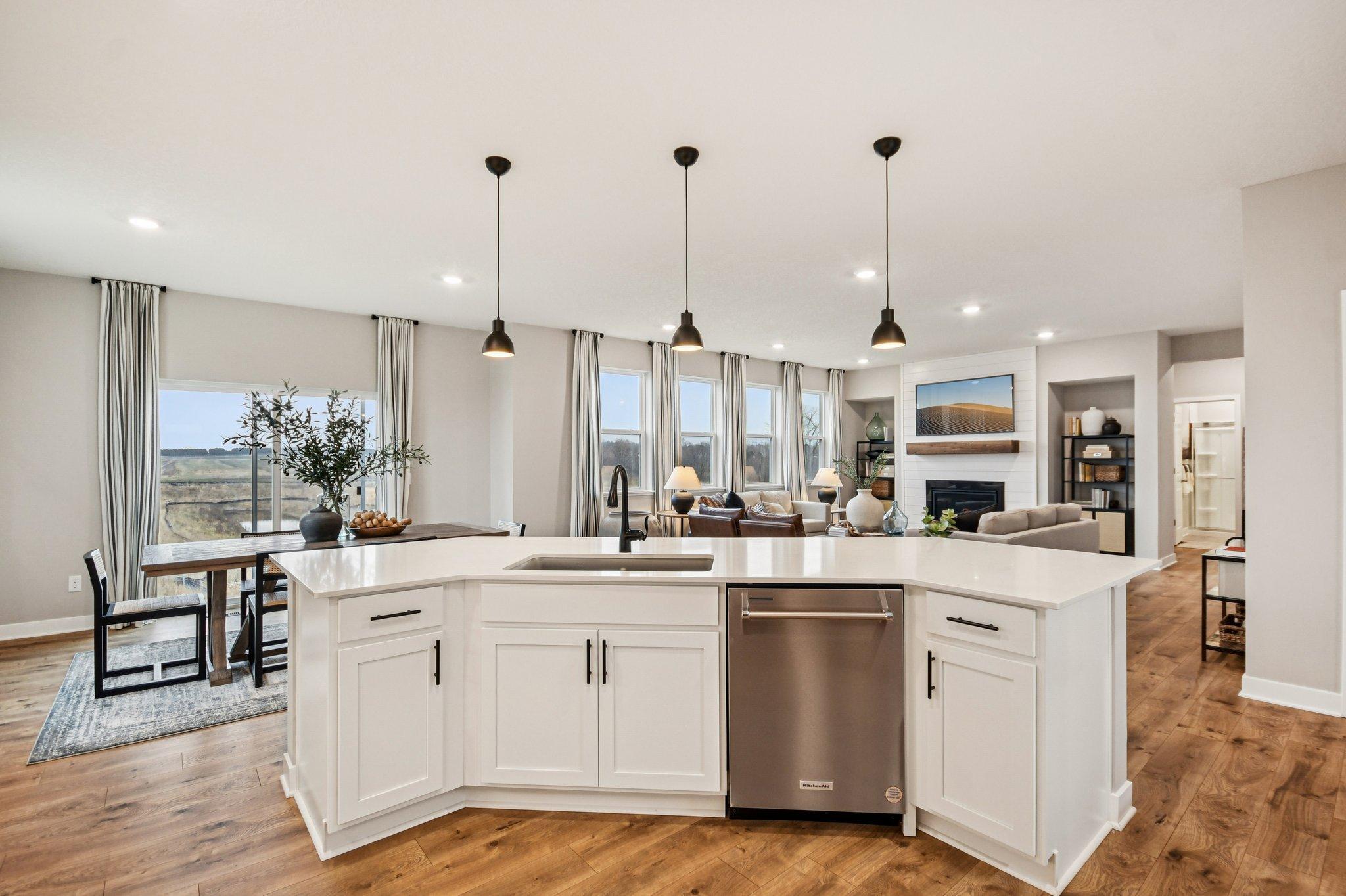
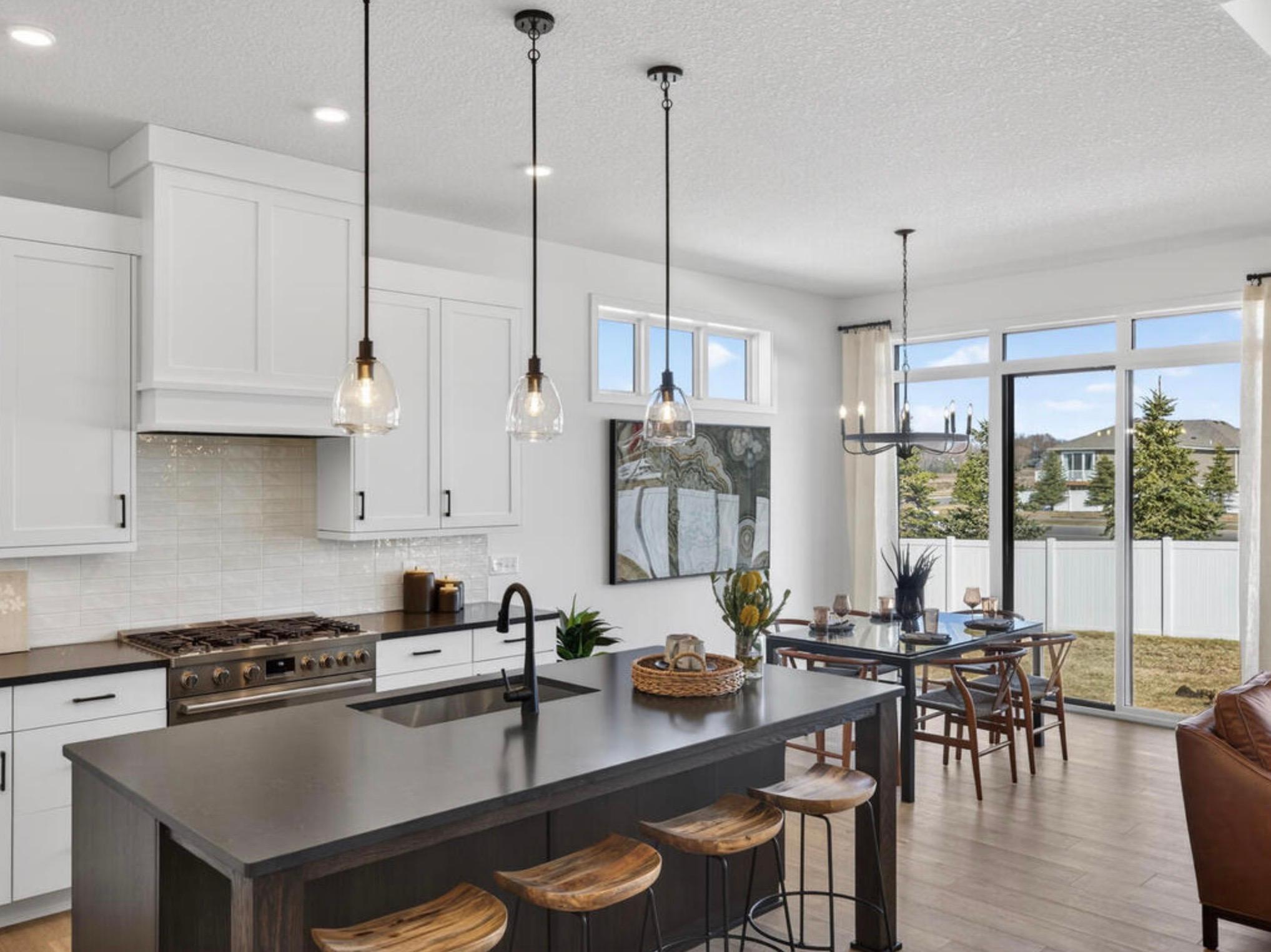
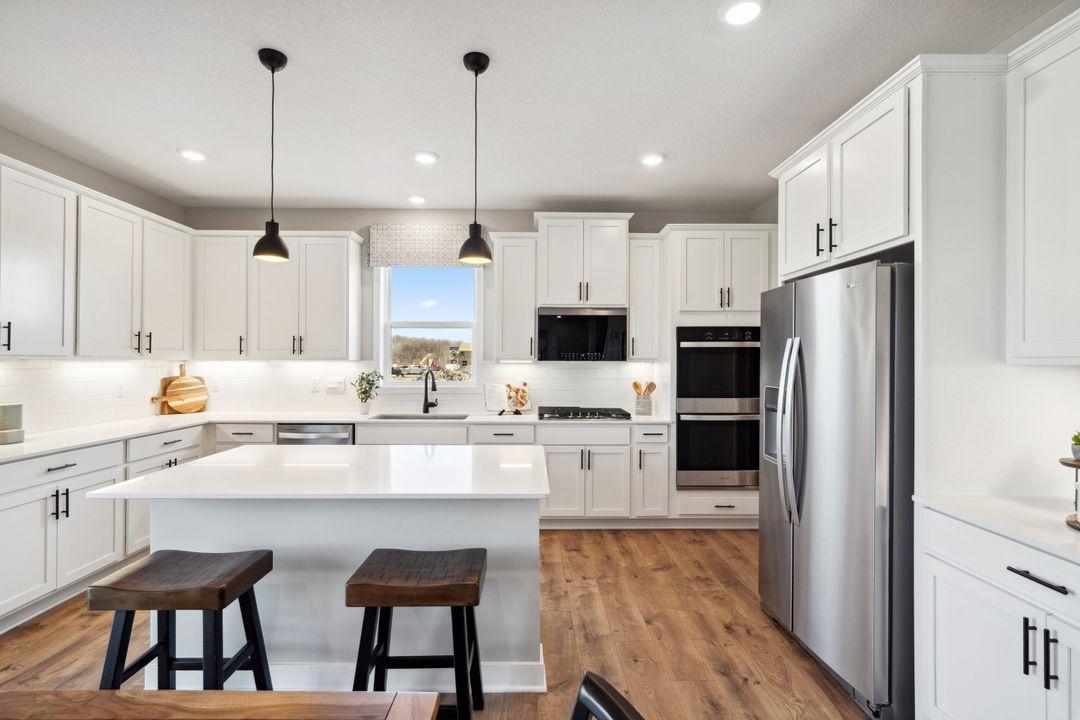
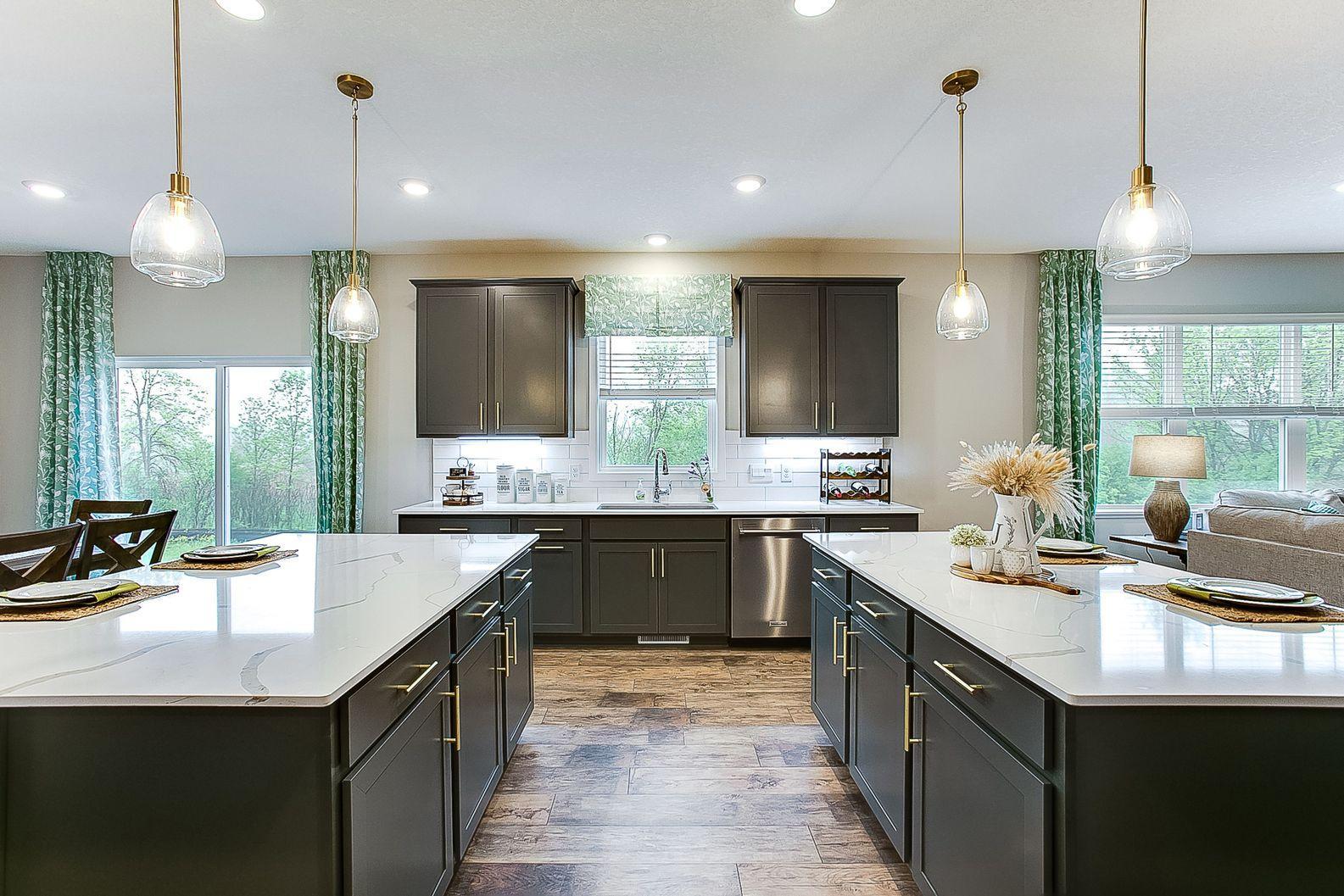
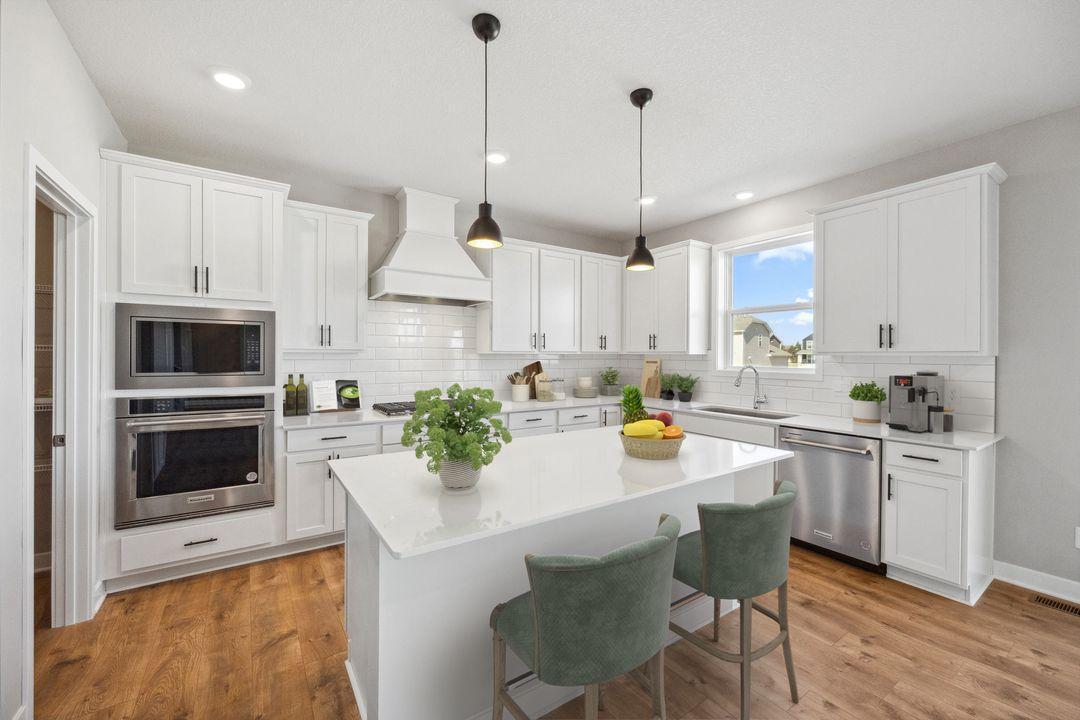
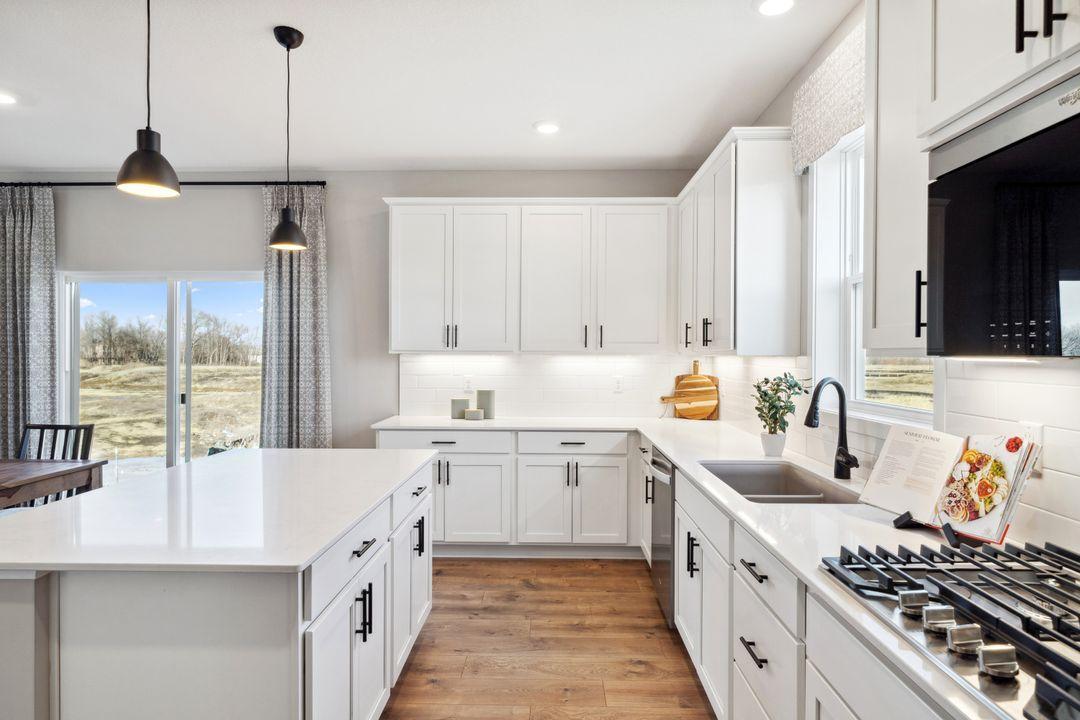
Buyers in 2026 are mortgage-rate conscious and skeptical of fixer-uppers. High-ROI preparation focuses on move-in readiness rather than major renovation. Kitchen and bath refreshes — new countertops, updated hardware, fresh paint — outperform full gut renovations on return. Finished basement square footage is a significant value driver in this climate; buyers price it seriously. And in the Midwest specifically, replacing garage doors and front doors currently delivers ROI upwards of 200%.
On the staging side, the all-grey aesthetic has run its course. Buyers respond to warm woods, stone accents, and spaces that feel lived-in and authentic rather than staged-for-Instagram.
Where Can You Eat and Drink?
Chaska's dining scene leans into the gastropub format and executes it well. Crooked Pint Ale House, attached to the Chaska Curling Center, is the local anchor — a craft beer bar with an ice view that's become one of the city's most distinctive social settings. Willy McCoys is another reliable spot for burgers and local beers.
For something more elevated, Southern Social offers a refined dining experience that punches above the typical suburban standard. Mallards Southern Kitchen has developed a strong following for its Nashville hot chicken and Gulf-inspired seafood. Cy's Bar and Grill is the quintessential neighborhood spot — pizza, burgers, and a crowd that's been coming in for years.
International options are solid for a city of this size. Sake Sushi, India Bar & Grill, and Chaska My Love for Mexican cover the bases. For a more casual morning, Donna's Drive-In delivers on nostalgia and local character in a way the standard coffee chains can't.
Evening options include Heartbreakers Bar & Grill, which runs trivia nights, DJ sets, and bingo — genuinely lively for a weeknight in the suburbs.
Where Can You Shop?
Chaska's retail divides cleanly between daily-needs convenience and a smaller boutique downtown experience.
For groceries, Target and Cub Foods handle the bulk of weekly shopping. ALDI near the Hazeltine area is the budget-conscious option, and Chaska Market in the downtown core is practical for quick trips.
Chaska Commons is the city's main retail power center, anchored by Kohl's, Target, and Home Depot, with service shops and smaller retailers filling in around them. For major fashion brands and department stores, most residents make the 15-minute drive to Eden Prairie Center or the 25-minute trip to the Mall of America.
Downtown Chaska has a small but genuine boutique presence. Shop 501 & Company specializes in vintage, home decor, and gifts — the kind of shop that rewards browsing. The Minnesota Landscape Arboretum Gift Shop, while technically attached to the Arb, is worth a dedicated visit for locally made goods, high-end gardening tools, and nature-themed gifts that you won't find in a strip mall.
What Parks and Recreation Are Available?
Chaska is exceptionally well-equipped for outdoor recreation, anchored by assets that go well beyond what most suburbs of its size can claim.
The Minnesota Landscape Arboretum spans 1,200 acres on the city's northern edge, offering manicured garden trails, a three-mile scenic drive, and extensive cross-country ski routes in winter. It functions as a year-round destination rather than a seasonal attraction.
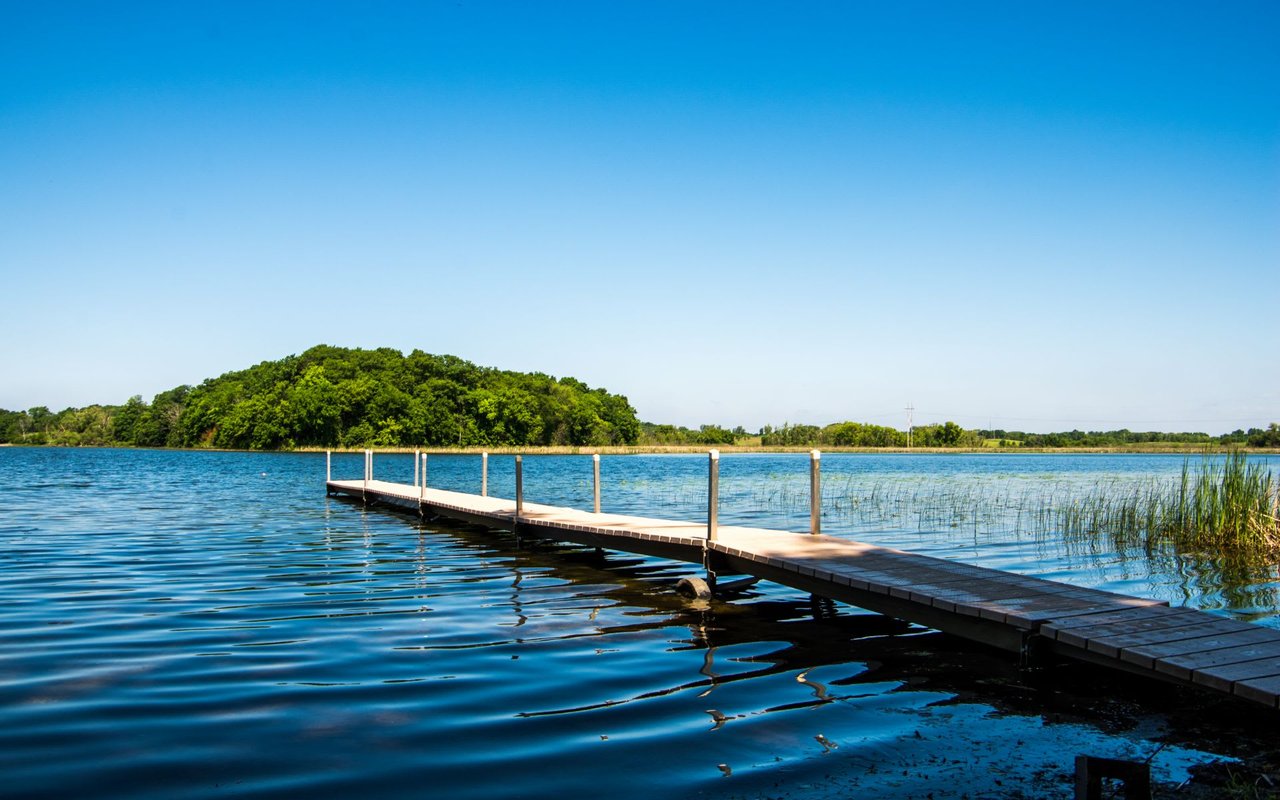
Firemen's Park in downtown Chaska surrounds the "Clayhole" — a former brick-making pit converted into a swimming lake, complete with a splash pad, fishing piers, and beach access. It's the social center of the city in summer. Lake Minnewashta Regional Park on the Excelsior border adds off-leash dog areas, boat rentals, and one of the best playgrounds in the western suburbs.
The trail network is a genuine differentiator. Chaska maintains over 100 miles of trails, including the Minnesota River Bluffs Regional Trail, a crushed-limestone path with river valley views that connects into the broader metro system. The Jonathan Association's 24-plus miles of private trails allow residents in northern neighborhoods to navigate the city almost entirely without road exposure.
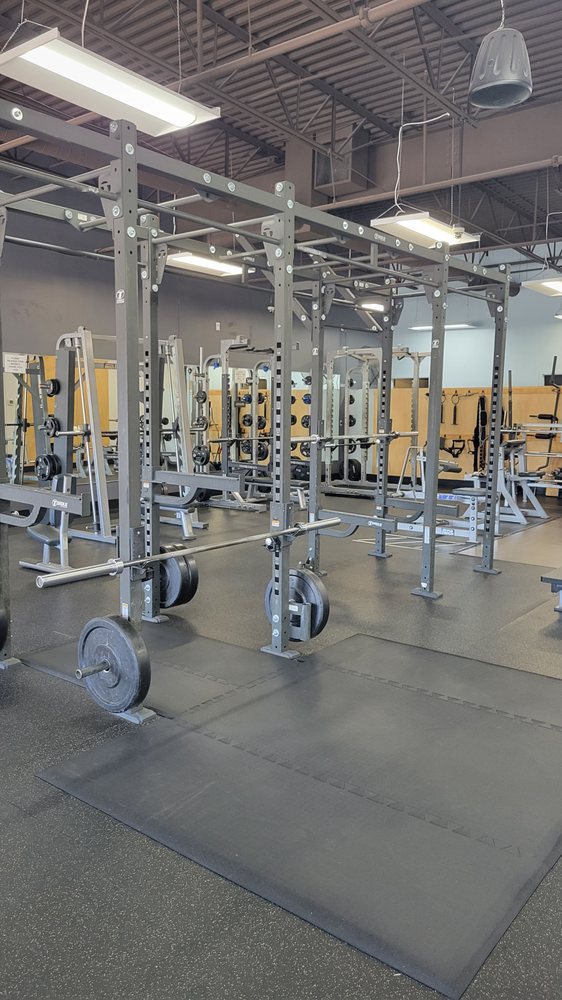
On the golf side, Hazeltine National Golf Club needs no introduction — a Ryder Cup host that represents the top tier of American golf. For the rest of us, the Chaska Town Course is consistently ranked among the best public courses in the country at a municipal price point. The Chaska Community Center rounds out the indoor recreation picture with pools, an ice arena, and a full fitness complex.
What's the Local Culture Like?
Chaska's culture is small-town in the best sense — not insular, but genuinely communal. The Jonathan New Town experiment left a lasting cultural imprint: neighborhoods are designed to push residents into shared green spaces rather than keeping everyone behind garage doors, and that design choice has had real social effects. People know their neighbors here.
The biggest annual event is River City Days every July — a multi-day festival featuring a parade, live music, a cardboard boat race at Firemen's Park, and carnival attractions. It's the kind of event that feels authentically local rather than corporate-sponsored, and it draws participation across demographic lines.
Winter is handled with characteristic Minnesotan directness. The Fire & Ice Festival at Firemen's Park leans into the cold rather than apologizing for it — ice fishing contests, bonfires, and skating on the Clayhole. The Chaska Curling Center, one of the largest in the United States, functions as a genuine social institution from October through March, drawing residents in for leagues, open curling, and the attached bar.
Volunteerism runs deep. Programs like Christmas in May, where residents mobilize to repair homes for those in need, reflect a community that takes civic participation seriously. Demographics skew toward families and active retirees, with the school system serving as a major social organizing force. The environmental ethos built into the Jonathan planning — preference for green infrastructure, trails tucked into trees rather than carved through clearings — has persisted and shapes how residents relate to the natural landscape.
What Are the Schools Like?
Chaska is served by Eastern Carver County Schools (ISD 112), which holds an "A" rating on Niche in 2026 and ranks as the top school district in Carver County. For families, this is one of the city's most compelling selling points.
The district has built a reputation on personalized learning through its "Learner Voice & Choice" initiative, which gives students more flexibility in demonstrating mastery of subjects. STEAM programming is well-integrated, and technology use in collaborative learning is above the state average. Athletically, the district is a consistent force in Minnesota high school sports, particularly in hockey, golf, and football.
Most Chaska residents attend Chaska High School, located near the Community Center. Residents in western neighborhoods may be zoned for Chanhassen High School — worth confirming if school assignment matters to your purchase decision.
Private options in the area include St. John's Lutheran School in historic downtown (Pre-K through 8th grade) and St. Hubert Catholic School in neighboring Chanhassen. For early childhood, the district-run Treks & Trails nature-based preschool through Parks and Recreation is popular, alongside Step By Step Montessori on White Oak Drive and New Horizon Academy near Pioneer Trail.
Higher education within commuting distance includes Crown College in St. Bonifacius, Normandale Community College in Bloomington for two-year degrees, and the University of St. Thomas roughly 25 miles east in St. Paul.
How Do You Get Around?
Highway 212 is the defining transportation artery. It runs east-west through the city and provides a largely signal-free connection to Eden Prairie (10–15 minutes), Edina, and Minneapolis (30–40 minutes under normal conditions, 50-plus during peak rush hour). MSP Airport is typically 25 to 35 minutes via 212 to I-494.
Highway 41 runs north-south through the city, connecting to Chanhassen and Victoria to the north and Shakopee to the south. Highway 5 serves the northern Arboretum-adjacent neighborhoods and feeds directly into Chanhassen's retail corridor.
For transit-dependent commuters, SouthWest Transit operates express bus service from the East Creek Station at the intersection of 212 and 41 directly to downtown Minneapolis and the University of Minnesota. SW Prime, a micro-transit van service bookable via app, provides flexible local coverage across Chaska, Chanhassen, Carver, and Victoria for a flat fee — a meaningful option for residents who don't want to drive to a transit hub.
Biking deserves a genuine mention here rather than a token one. The combination of the Jonathan Association trail system and Chaska's broader 100-mile network means that northern Chaska residents can run errands, reach parks, and connect to regional trails without touching a public road. It's one of the few suburban cities in the metro where car-free movement within the community is actually practical.
What Are the Best Streets?
Walnut Street (Historic Downtown) is the architectural heart of the city — a corridor of 19th-century cream brick commercial buildings that gives Chaska a downtown identity most suburbs can't manufacture. Properties here are rare and carry real character.
Jonathan neighborhoods off Pioneer Trail represent the best of the New Town experiment — homes tucked into mature trees with immediate trail access and proximity to the community centers that anchor neighborhood social life.
Streets near Hazeltine National Golf Club in the southwestern part of the city (Oak Creek and surrounding developments) attract buyers seeking newer construction on larger lots with a premium address. The proximity to Hazeltine adds cachet and consistently supports strong resale values.
Clover Ridge area is the sweet spot for townhome buyers — well-maintained, convenient to Highway 212, and close to schools, making it perennially competitive for families and downsizers alike.
For buyers prioritizing school proximity, streets within walking distance of Clover Ridge Elementary carry consistent demand and a slight premium over comparable homes requiring bus transportation.
Why Do People Love Chaska?
Chaska holds onto its residents in a way that's unusual even by Minnesota suburban standards. People move here for the schools and the commute, but they stay because the city has a texture that's difficult to find at this price point — real history in the downtown brick, thoughtful neighborhood design in the Jonathan communities, world-class recreation at the Arboretum and Hazeltine, and a genuine community culture that organizes around shared events and spaces rather than just proximity.
It's a city that has managed to grow without hollowing out. The trail network keeps residents in contact with each other and with the landscape. The festivals are local rather than branded. The school district is exceptional without being exclusionary. And the river valley geography gives the city a natural boundary and a visual identity that flat, grid-planned suburbs never achieve.
For families, it's one of the strongest value propositions in the southwest metro. For buyers who want character alongside convenience, it's rare. And for anyone who takes outdoor recreation seriously, the combination of the Arboretum, the river trail, 100-plus miles of paths, and the best public golf course in Minnesota makes it genuinely hard to beat.